Buy funeralawards.eu ?
We are moving the project
funeralawards.eu .
Are you interested in purchasing the domain
funeralawards.eu ?
domain@kv-gmbh.de · 0541-91531010
Buy funeralawards.eu ?
Should a war memorial from the First World War be preserved?
Yes, a war memorial from the First World War should be preserved as it serves as a reminder of the sacrifices made by those who fought and died in the war. It also provides a place for people to pay their respects and remember the historical significance of the war. Preserving the memorial helps to ensure that future generations understand the impact of the war and the importance of peace. Additionally, it can serve as a symbol of unity and remembrance for the community. **
What are arguments for or against a war memorial?
Arguments for a war memorial include honoring and remembering the sacrifices of those who served and died in wars, providing a place for reflection and remembrance, and educating future generations about the impact of war. On the other hand, some may argue against war memorials as they can glorify war and violence, perpetuate nationalist sentiments, and potentially overshadow the true costs and horrors of war. Ultimately, the decision to have a war memorial should consider these various perspectives and the intentions behind its creation. **

Similar search terms for War
Top-Angebote
Products related to War:
-
Inspire Curations Angel Cat Memorial Statue Resin Pet Remembrance Home Decor Angel Cat Memorial Statue Resin Pet Remembrance Home DecorHonor a love that never fades. This beautifully crafted angel cat memorial statue captures the quiet grace and unconditional bond shared with a beloved pet. Designed with delicate wings and a serene expression, this resin cat angel figurine offers...58,95 $*Shipping: 0,00 $Secure redirect to the provider


-
What are the arguments for or against a war memorial?
Arguments for a war memorial include honoring and remembering the sacrifices of those who served and died in wars, providing a place for reflection and remembrance, and educating future generations about the impact of war. On the other hand, some arguments against war memorials include concerns about glorifying war and violence, perpetuating nationalist sentiments, and diverting resources away from other important social needs. Ultimately, the decision to build a war memorial should consider these various perspectives and the intentions behind its construction. **
-
Should the federal government still hold memorial events for the Second World War?
Yes, the federal government should continue to hold memorial events for the Second World War. The war had a profound impact on the world and the lives of millions of people, and it is important to remember and honor the sacrifices made by those who fought and died in the conflict. These events also serve as a reminder of the importance of working towards peace and preventing such devastating conflicts in the future. Additionally, they provide an opportunity for education and reflection on the lessons learned from the war. **
-
What would be a good headline for a newspaper article about a war memorial?
"Remembering the Sacrifice: Honoring the Heroes at the War Memorial" **
-
Was the Korean War a proxy war or a civil war?
The Korean War was a proxy war, as it was fought between the communist-backed North Korea and the capitalist-backed South Korea, with support and involvement from other major powers such as the United States, China, and the Soviet Union. The conflict was not solely an internal struggle within Korea, but rather a larger geopolitical struggle between the two opposing ideologies of communism and capitalism. The involvement of outside powers and the global implications of the war make it more accurately described as a proxy war rather than a civil war. **
Is the First World War a modern war?
Yes, the First World War is considered a modern war due to the use of advanced technology and tactics that were unprecedented at the time. The war saw the introduction of new weapons such as tanks, airplanes, and chemical warfare, which changed the nature of warfare. Additionally, the scale of the conflict involving multiple countries and resulting in millions of casualties marked a departure from previous wars in terms of its global impact and devastation. Overall, the First World War is seen as a turning point in military history towards modern warfare. **
What is the motto of Wallenstein: "War feeds war" in the Thirty Years' War?
The motto "War feeds war" reflects the strategy of Wallenstein, a prominent military leader in the Thirty Years' War. It suggests that the continuation of war is necessary for its sustenance, as it provides resources, power, and opportunities for those involved in the conflict. This motto encapsulates the idea that war perpetuates itself, creating a cycle of violence and destruction. Wallenstein's approach to warfare was characterized by aggressive tactics and a focus on maintaining and expanding his military influence, making this motto a fitting representation of his approach to the conflict. **
Top-Angebote
Products related to War:
-
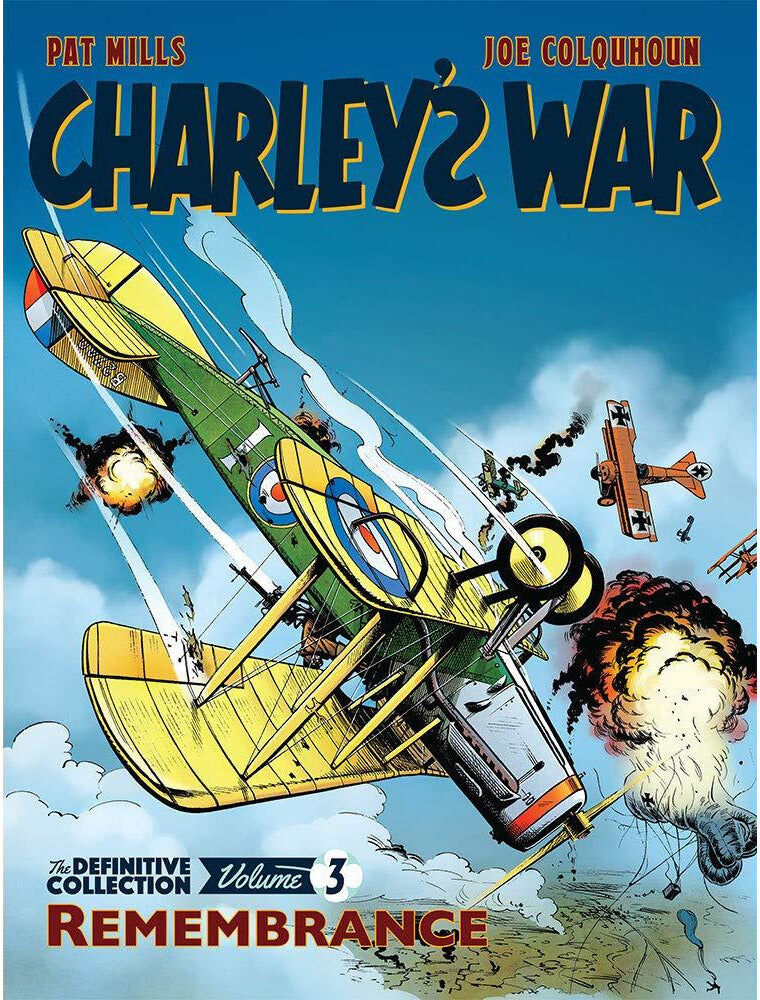
Rebellion Charleys War The Definitive Collection 3 Books Set by Pat Mills - Boy Soldier, Brothers In Arms, RemembranceCharleys War The Definitive Collection 3 Books Set by Pat Mills Description Boy Soldier The idealistic working class boy experiences the perilous arena of trench warfare, where every waking moment is a bitter fight for survival. As visceral, thrilling and compelling as on its debut, this intensely dramatic war story is the finest the comic book medium has ever produced. Written with acute political and historical insight by British comics legend Pat Mills, it is illustrated throughout with the breathtaking artwork of Joe Colquhoun. This first volume of Charley's War includes Charley's harrowing participation in one of the bloodiest encounters in human history - The Battle of the Somme. Brothers in Arms THE GREATEST ANTI-WAR STORY EVER TOLD. Injured in The Battle of the Somme, Charley returns to wartime London and meets a deserter from the French Foreign Legion, Blue, who tells of his brutal experiences of the Battle of Verdun. All too soon Charley returns to the front line at Ypres where the threat from the German army is matched only by the inhumanity of his superiors! In the face of suffering and injustice, seeds of mutiny begin to grow among the ranks... This second volume of Pat Mills and Joe Colquhoun's masterpiece continues to tell the story of an ordinary soldier's experiences in World War One, including the vibrant re-mastered colour pages from the original comic. Remembrance Volume 3 of the most celebrated war comic of all time, re-mastered and collected in a full size edition. This third volume of Pat Mills and Joe Colquhoun's masterpiece continues to tell the story of an ordinary soldier s experiences in World War One, including the vibrant re-mastered colour pages from the original comic.44,99 £*Shipping: 0,00 £Secure redirect to the provider
-
Inspire Curations Angel Cat Memorial Statue Resin Pet Remembrance Home Decor Angel Cat Memorial Statue Resin Pet Remembrance Home DecorHonor a love that never fades. This beautifully crafted angel cat memorial statue captures the quiet grace and unconditional bond shared with a beloved pet. Designed with delicate wings and a serene expression, this resin cat angel figurine offers...58,95 $*Shipping: 0,00 $Secure redirect to the provider
-
Should a war memorial from the First World War be preserved?
Yes, a war memorial from the First World War should be preserved as it serves as a reminder of the sacrifices made by those who fought and died in the war. It also provides a place for people to pay their respects and remember the historical significance of the war. Preserving the memorial helps to ensure that future generations understand the impact of the war and the importance of peace. Additionally, it can serve as a symbol of unity and remembrance for the community. **
-
What are arguments for or against a war memorial?
Arguments for a war memorial include honoring and remembering the sacrifices of those who served and died in wars, providing a place for reflection and remembrance, and educating future generations about the impact of war. On the other hand, some may argue against war memorials as they can glorify war and violence, perpetuate nationalist sentiments, and potentially overshadow the true costs and horrors of war. Ultimately, the decision to have a war memorial should consider these various perspectives and the intentions behind its creation. **
-
What are the arguments for or against a war memorial?
Arguments for a war memorial include honoring and remembering the sacrifices of those who served and died in wars, providing a place for reflection and remembrance, and educating future generations about the impact of war. On the other hand, some arguments against war memorials include concerns about glorifying war and violence, perpetuating nationalist sentiments, and diverting resources away from other important social needs. Ultimately, the decision to build a war memorial should consider these various perspectives and the intentions behind its construction. **
-
Should the federal government still hold memorial events for the Second World War?
Yes, the federal government should continue to hold memorial events for the Second World War. The war had a profound impact on the world and the lives of millions of people, and it is important to remember and honor the sacrifices made by those who fought and died in the conflict. These events also serve as a reminder of the importance of working towards peace and preventing such devastating conflicts in the future. Additionally, they provide an opportunity for education and reflection on the lessons learned from the war. **
Similar search terms for War
-
What would be a good headline for a newspaper article about a war memorial?
"Remembering the Sacrifice: Honoring the Heroes at the War Memorial" **
-
Was the Korean War a proxy war or a civil war?
The Korean War was a proxy war, as it was fought between the communist-backed North Korea and the capitalist-backed South Korea, with support and involvement from other major powers such as the United States, China, and the Soviet Union. The conflict was not solely an internal struggle within Korea, but rather a larger geopolitical struggle between the two opposing ideologies of communism and capitalism. The involvement of outside powers and the global implications of the war make it more accurately described as a proxy war rather than a civil war. **
-
Is the First World War a modern war?
Yes, the First World War is considered a modern war due to the use of advanced technology and tactics that were unprecedented at the time. The war saw the introduction of new weapons such as tanks, airplanes, and chemical warfare, which changed the nature of warfare. Additionally, the scale of the conflict involving multiple countries and resulting in millions of casualties marked a departure from previous wars in terms of its global impact and devastation. Overall, the First World War is seen as a turning point in military history towards modern warfare. **
-
What is the motto of Wallenstein: "War feeds war" in the Thirty Years' War?
The motto "War feeds war" reflects the strategy of Wallenstein, a prominent military leader in the Thirty Years' War. It suggests that the continuation of war is necessary for its sustenance, as it provides resources, power, and opportunities for those involved in the conflict. This motto encapsulates the idea that war perpetuates itself, creating a cycle of violence and destruction. Wallenstein's approach to warfare was characterized by aggressive tactics and a focus on maintaining and expanding his military influence, making this motto a fitting representation of his approach to the conflict. **
* All prices are inclusive of VAT and, if applicable, plus shipping costs. The offer information is based on the details provided by the respective shop and is updated through automated processes. Real-time updates do not occur, so deviations can occur in individual cases. ** Note: Parts of this content were created by AI.