Buy funeralawards.eu ?
We are moving the project
funeralawards.eu .
Are you interested in purchasing the domain
funeralawards.eu ?
domain@kv-gmbh.de · 0541-91531010
Buy funeralawards.eu ?
What is the correct conjugation?
The correct conjugation of a verb depends on the subject of the sentence and the tense being used. In English, regular verbs typically follow a pattern of adding -ed to form the past tense (e.g., walk becomes walked). Irregular verbs, on the other hand, have unique conjugations that do not follow a set pattern (e.g., go becomes went). It is important to pay attention to the subject of the sentence and the tense being used in order to correctly conjugate a verb. **
What is conjugation in German?
Conjugation in German refers to the process of changing the form of a verb to match the subject of the sentence. This means that the verb will have different endings depending on whether the subject is "I," "you," "he/she/it," "we," or "they." Conjugation is an important aspect of German grammar as it helps to indicate who is performing the action in a sentence. It is essential for learners of German to understand how to conjugate verbs in order to communicate effectively in the language. **


Similar search terms for Conjugation
Top-Angebote
Products related to Conjugation:
-
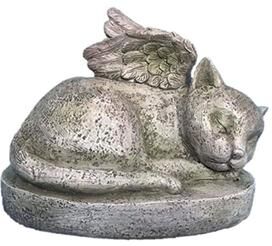
Santas Workshop Inc "7.5"" Remembrance Kitty"Pay tribute to the special bond shared between you and your favorite feline with this wonderful kitty angel statue. Built to last from weather resistant resin, this beautiful remembrance kitty will provide many seasons of enjoyment.35,49 $*Shipping: 0,00 $Secure redirect to the provider
-
Bronzhaus Signed Carrier Honoring Frederic Chopin Bronze Sculpture Statue Figure FigurineCondition: This sculpture is in perfect condition Bronze Dimensions with Marble Base: Height 27 inches X Width 8 1/2 inches Marble Dimensions:8 1/2 inches X 8 inches Height without base:26 inches Weight:42 LBS Inventory:27Y26316572 Original or…651,99 $*Shipping: 0,00 $Secure redirect to the provider
-
Touch of Class Loving Tribute Table Sculpture Antique Silver , Antique SilverThe Loving Tribute Table Sculpture depicts a bold, abstract design of tangled curves that swirl to a single point. This contemporary, resin sculpture has an antique silver finish and a black mounting base. Measures 6 Wx5.5 Dx18.5 H. This item is our...85,00 $*Shipping: 15,95 $Secure redirect to the provider
-
Uplift Treasures Personalized Memorial Flameless LED Candle With Photo Personalized Memorial Flameless LED Candle With PhotoProduct Description: Honor the memory of a loved one with this personalized flameless LED memorial candle. Customize it with a cherished photo and meaningful text to create a beautiful keepsake that offers a warm, comforting glow for memorials,...103,97 $*Shipping: 0,00 $Secure redirect to the provider



-
What conjugation does "dare" have?
"Dare" is a regular verb in Italian and belongs to the second conjugation. In the present tense, it is conjugated as follows: io do, tu dai, lui/lei dà, noi diamo, voi date, loro danno. **
-
How do I distinguish between the verbs of the E-conjugation and the consonant conjugation?
In Old Norse, the E-conjugation verbs typically end in -a in the infinitive form, while the consonant conjugation verbs end in -a, -i, or -u. Additionally, the E-conjugation verbs have a stem vowel that changes between the present and past tense, while the consonant conjugation verbs have a stem vowel that remains the same. It is also important to note that there are irregular verbs in both conjugations that do not follow these patterns. Therefore, it is important to study and memorize the specific conjugation patterns for each verb. **
-
What is the conjugation in German?
Conjugation in German refers to changing the form of a verb to match the subject of a sentence. This means adjusting the verb's ending based on the person (I, you, he/she/it, we, you all, they) and tense (present, past, future). German verbs can have different conjugations depending on these factors, making it important to learn the various verb forms to communicate accurately in the language. **
-
What does the consonantal conjugation mean?
Consonantal conjugation is a grammatical feature found in Semitic languages, where the root of a verb consists of consonants only, and the vowels are added to indicate different tenses, moods, and aspects. This type of conjugation is characterized by changes in the vowels within the root consonants to convey different meanings. Consonantal conjugation allows for a high degree of flexibility and complexity in verb forms, making it a key feature of Semitic language grammar. **


Is there a language without conjugation?
Yes, there are languages without conjugation. For example, Chinese is a language that does not have verb conjugation. In Chinese, verbs remain the same regardless of the subject or tense. Instead, time expressions or context are used to indicate when an action took place. **
Why is the mixed conjugation called that?
The mixed conjugation is called that because it combines elements of both the regular and irregular conjugation patterns. In languages such as Spanish, the mixed conjugation verbs have some regular endings but also some irregular stems. This combination of regular and irregular elements gives rise to the name "mixed conjugation." It is important for language learners to understand and recognize these mixed conjugation patterns in order to properly conjugate verbs in different tenses and moods. **
Top-Angebote
Products related to Conjugation:
-
Inspire Curations Angel Cat Memorial Statue Resin Pet Remembrance Home Decor Angel Cat Memorial Statue Resin Pet Remembrance Home DecorHonor a love that never fades. This beautifully crafted angel cat memorial statue captures the quiet grace and unconditional bond shared with a beloved pet. Designed with delicate wings and a serene expression, this resin cat angel figurine offers...58,95 $*Shipping: 0,00 $Secure redirect to the provider
-
Santas Workshop Inc "7.5"" Remembrance Kitty"Pay tribute to the special bond shared between you and your favorite feline with this wonderful kitty angel statue. Built to last from weather resistant resin, this beautiful remembrance kitty will provide many seasons of enjoyment.35,49 $*Shipping: 0,00 $Secure redirect to the provider
-
Bronzhaus Signed Carrier Honoring Frederic Chopin Bronze Sculpture Statue Figure FigurineCondition: This sculpture is in perfect condition Bronze Dimensions with Marble Base: Height 27 inches X Width 8 1/2 inches Marble Dimensions:8 1/2 inches X 8 inches Height without base:26 inches Weight:42 LBS Inventory:27Y26316572 Original or…651,99 $*Shipping: 0,00 $Secure redirect to the provider
-
What is the correct conjugation?
The correct conjugation of a verb depends on the subject of the sentence and the tense being used. In English, regular verbs typically follow a pattern of adding -ed to form the past tense (e.g., walk becomes walked). Irregular verbs, on the other hand, have unique conjugations that do not follow a set pattern (e.g., go becomes went). It is important to pay attention to the subject of the sentence and the tense being used in order to correctly conjugate a verb. **
-
What is conjugation in German?
Conjugation in German refers to the process of changing the form of a verb to match the subject of the sentence. This means that the verb will have different endings depending on whether the subject is "I," "you," "he/she/it," "we," or "they." Conjugation is an important aspect of German grammar as it helps to indicate who is performing the action in a sentence. It is essential for learners of German to understand how to conjugate verbs in order to communicate effectively in the language. **
-
What conjugation does "dare" have?
"Dare" is a regular verb in Italian and belongs to the second conjugation. In the present tense, it is conjugated as follows: io do, tu dai, lui/lei dà, noi diamo, voi date, loro danno. **
-
How do I distinguish between the verbs of the E-conjugation and the consonant conjugation?
In Old Norse, the E-conjugation verbs typically end in -a in the infinitive form, while the consonant conjugation verbs end in -a, -i, or -u. Additionally, the E-conjugation verbs have a stem vowel that changes between the present and past tense, while the consonant conjugation verbs have a stem vowel that remains the same. It is also important to note that there are irregular verbs in both conjugations that do not follow these patterns. Therefore, it is important to study and memorize the specific conjugation patterns for each verb. **
Similar search terms for Conjugation
-
Touch of Class Loving Tribute Table Sculpture Antique Silver , Antique SilverThe Loving Tribute Table Sculpture depicts a bold, abstract design of tangled curves that swirl to a single point. This contemporary, resin sculpture has an antique silver finish and a black mounting base. Measures 6 Wx5.5 Dx18.5 H. This item is our...85,00 $*Shipping: 15,95 $Secure redirect to the provider
-
Uplift Treasures Personalized Memorial Flameless LED Candle With Photo Personalized Memorial Flameless LED Candle With PhotoProduct Description: Honor the memory of a loved one with this personalized flameless LED memorial candle. Customize it with a cherished photo and meaningful text to create a beautiful keepsake that offers a warm, comforting glow for memorials,...103,97 $*Shipping: 0,00 $Secure redirect to the provider
-
Evergreen Memorial Forever Dog Garden Stone"This Memorial Forever Dog Garden Stone offers a heartfelt way to honor a beloved companion, combining a sculpted angel wings motif with the tender sentiment ""Dogs leave paw prints on our hearts"" for a meaningful memorial accent."33,49 $*Shipping: 0,00 $Secure redirect to the provider
-
What is the conjugation in German?
Conjugation in German refers to changing the form of a verb to match the subject of a sentence. This means adjusting the verb's ending based on the person (I, you, he/she/it, we, you all, they) and tense (present, past, future). German verbs can have different conjugations depending on these factors, making it important to learn the various verb forms to communicate accurately in the language. **
-
What does the consonantal conjugation mean?
Consonantal conjugation is a grammatical feature found in Semitic languages, where the root of a verb consists of consonants only, and the vowels are added to indicate different tenses, moods, and aspects. This type of conjugation is characterized by changes in the vowels within the root consonants to convey different meanings. Consonantal conjugation allows for a high degree of flexibility and complexity in verb forms, making it a key feature of Semitic language grammar. **
-
Is there a language without conjugation?
Yes, there are languages without conjugation. For example, Chinese is a language that does not have verb conjugation. In Chinese, verbs remain the same regardless of the subject or tense. Instead, time expressions or context are used to indicate when an action took place. **
-
Why is the mixed conjugation called that?
The mixed conjugation is called that because it combines elements of both the regular and irregular conjugation patterns. In languages such as Spanish, the mixed conjugation verbs have some regular endings but also some irregular stems. This combination of regular and irregular elements gives rise to the name "mixed conjugation." It is important for language learners to understand and recognize these mixed conjugation patterns in order to properly conjugate verbs in different tenses and moods. **
* All prices are inclusive of VAT and, if applicable, plus shipping costs. The offer information is based on the details provided by the respective shop and is updated through automated processes. Real-time updates do not occur, so deviations can occur in individual cases. ** Note: Parts of this content were created by AI.