Buy funeralawards.eu ?
We are moving the project
funeralawards.eu .
Are you interested in purchasing the domain
funeralawards.eu ?
domain@kv-gmbh.de · 0541-91531010
Buy funeralawards.eu ?
How does mRNA maturation occur?
mRNA maturation occurs through a process called RNA processing. This process involves several steps, including capping, splicing, and polyadenylation. First, a 5' cap is added to the beginning of the mRNA molecule to protect it and help it bind to the ribosome. Then, introns (non-coding regions) are removed through a process called splicing, and the remaining exons (coding regions) are joined together. Finally, a poly-A tail is added to the end of the mRNA molecule to help stabilize it and regulate its translation. These steps ensure that the mRNA molecule is properly processed and ready for translation into protein. **
Is the mRNA vaccine safe?
Yes, the mRNA vaccines have been shown to be safe and effective in clinical trials and real-world use. The vaccines have undergone rigorous testing and have been authorized for emergency use by regulatory agencies such as the FDA and the European Medicines Agency. Millions of people have received the mRNA vaccines with only rare and mostly mild side effects reported. The benefits of vaccination in preventing severe illness and death from COVID-19 far outweigh the potential risks. **


Similar search terms for MRNA
Top-Angebote
Products related to MRNA:
-
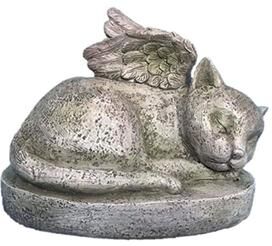
Santas Workshop Inc "7.5"" Remembrance Kitty"Pay tribute to the special bond shared between you and your favorite feline with this wonderful kitty angel statue. Built to last from weather resistant resin, this beautiful remembrance kitty will provide many seasons of enjoyment.35,49 $*Shipping: 0,00 $Secure redirect to the provider
-
Bronzhaus Signed Carrier Honoring Frederic Chopin Bronze Sculpture Statue Figure FigurineCondition: This sculpture is in perfect condition Bronze Dimensions with Marble Base: Height 27 inches X Width 8 1/2 inches Marble Dimensions:8 1/2 inches X 8 inches Height without base:26 inches Weight:42 LBS Inventory:27Y26316572 Original or…651,99 $*Shipping: 0,00 $Secure redirect to the provider
-
Touch of Class Loving Tribute Table Sculpture Antique Silver , Antique SilverThe Loving Tribute Table Sculpture depicts a bold, abstract design of tangled curves that swirl to a single point. This contemporary, resin sculpture has an antique silver finish and a black mounting base. Measures 6 Wx5.5 Dx18.5 H. This item is our...85,00 $*Shipping: 15,95 $Secure redirect to the provider
-
Uplift Treasures Personalized Memorial Flameless LED Candle With Photo Personalized Memorial Flameless LED Candle With PhotoProduct Description: Honor the memory of a loved one with this personalized flameless LED memorial candle. Customize it with a cherished photo and meaningful text to create a beautiful keepsake that offers a warm, comforting glow for memorials,...103,97 $*Shipping: 0,00 $Secure redirect to the provider



-
What is mRNA in food?
mRNA in food refers to the presence of messenger RNA molecules that are naturally occurring in the cells of plants and animals that we consume as food. mRNA is a type of RNA that carries genetic information from the DNA in a cell's nucleus to the ribosomes, where it is used to produce proteins. In the context of food, mRNA is not a cause for concern as it is a normal component of the cells in the food we eat and is broken down during digestion without any known harmful effects. **
-
Is mRNA the same as RNA?
mRNA (messenger RNA) is a type of RNA (ribonucleic acid). RNA is a broad category that includes several types of molecules involved in various cellular processes, including mRNA, tRNA (transfer RNA), and rRNA (ribosomal RNA). mRNA specifically carries the genetic information from the DNA in the cell's nucleus to the ribosomes, where it is used as a template for protein synthesis. Therefore, while mRNA is a type of RNA, not all RNA molecules are mRNA. **
-
How does the maturation of mRNA occur?
The maturation of mRNA involves several steps. First, the pre-mRNA is processed by removing the non-coding regions, called introns, and joining the coding regions, called exons, through a process called splicing. Then, a 5' cap and a 3' poly-A tail are added to the mRNA to protect it from degradation and facilitate its export from the nucleus. Finally, the mature mRNA is ready to be translated into a protein by the ribosomes in the cytoplasm. This process ensures that only the necessary coding information is present in the mature mRNA for protein synthesis. **
-
How can one transcribe DNA into mRNA?
Transcribing DNA into mRNA involves the process of transcription, which takes place in the nucleus of a cell. During transcription, the enzyme RNA polymerase binds to a specific region of the DNA called the promoter and unwinds the DNA double helix. It then uses one strand of the DNA as a template to synthesize a complementary mRNA strand by adding nucleotides according to the base-pairing rules (A with U, T with A, C with G, and G with C). Once the mRNA strand is synthesized, it is processed and then transported out of the nucleus into the cytoplasm for translation into a protein. **


How can DNA be translated into mRNA?
DNA is transcribed into mRNA through a process called transcription. During transcription, the DNA double helix unwinds and an enzyme called RNA polymerase binds to a specific region of the DNA called the promoter. The RNA polymerase then reads the DNA sequence and synthesizes a complementary mRNA strand by adding nucleotides one by one. This process continues until the RNA polymerase reaches a termination signal, at which point the newly synthesized mRNA is released. This mRNA molecule can then be translated into a protein by the ribosomes. **
How long is the lifespan of mRNA?
The lifespan of mRNA can vary depending on the specific mRNA molecule and the cellular conditions. In general, the average lifespan of mRNA in a eukaryotic cell is around 10 hours, but some mRNA molecules can be very short-lived, lasting only a few minutes, while others can be more stable and persist for several days. The stability of mRNA is influenced by factors such as the presence of specific sequences in the mRNA molecule, the activity of RNA-binding proteins, and the cellular environment. **
Top-Angebote
Products related to MRNA:
-
Inspire Curations Angel Cat Memorial Statue Resin Pet Remembrance Home Decor Angel Cat Memorial Statue Resin Pet Remembrance Home DecorHonor a love that never fades. This beautifully crafted angel cat memorial statue captures the quiet grace and unconditional bond shared with a beloved pet. Designed with delicate wings and a serene expression, this resin cat angel figurine offers...58,95 $*Shipping: 0,00 $Secure redirect to the provider
-
Santas Workshop Inc "7.5"" Remembrance Kitty"Pay tribute to the special bond shared between you and your favorite feline with this wonderful kitty angel statue. Built to last from weather resistant resin, this beautiful remembrance kitty will provide many seasons of enjoyment.35,49 $*Shipping: 0,00 $Secure redirect to the provider
-
Bronzhaus Signed Carrier Honoring Frederic Chopin Bronze Sculpture Statue Figure FigurineCondition: This sculpture is in perfect condition Bronze Dimensions with Marble Base: Height 27 inches X Width 8 1/2 inches Marble Dimensions:8 1/2 inches X 8 inches Height without base:26 inches Weight:42 LBS Inventory:27Y26316572 Original or…651,99 $*Shipping: 0,00 $Secure redirect to the provider
-
How does mRNA maturation occur?
mRNA maturation occurs through a process called RNA processing. This process involves several steps, including capping, splicing, and polyadenylation. First, a 5' cap is added to the beginning of the mRNA molecule to protect it and help it bind to the ribosome. Then, introns (non-coding regions) are removed through a process called splicing, and the remaining exons (coding regions) are joined together. Finally, a poly-A tail is added to the end of the mRNA molecule to help stabilize it and regulate its translation. These steps ensure that the mRNA molecule is properly processed and ready for translation into protein. **
-
Is the mRNA vaccine safe?
Yes, the mRNA vaccines have been shown to be safe and effective in clinical trials and real-world use. The vaccines have undergone rigorous testing and have been authorized for emergency use by regulatory agencies such as the FDA and the European Medicines Agency. Millions of people have received the mRNA vaccines with only rare and mostly mild side effects reported. The benefits of vaccination in preventing severe illness and death from COVID-19 far outweigh the potential risks. **
-
What is mRNA in food?
mRNA in food refers to the presence of messenger RNA molecules that are naturally occurring in the cells of plants and animals that we consume as food. mRNA is a type of RNA that carries genetic information from the DNA in a cell's nucleus to the ribosomes, where it is used to produce proteins. In the context of food, mRNA is not a cause for concern as it is a normal component of the cells in the food we eat and is broken down during digestion without any known harmful effects. **
-
Is mRNA the same as RNA?
mRNA (messenger RNA) is a type of RNA (ribonucleic acid). RNA is a broad category that includes several types of molecules involved in various cellular processes, including mRNA, tRNA (transfer RNA), and rRNA (ribosomal RNA). mRNA specifically carries the genetic information from the DNA in the cell's nucleus to the ribosomes, where it is used as a template for protein synthesis. Therefore, while mRNA is a type of RNA, not all RNA molecules are mRNA. **
Similar search terms for MRNA
-
Touch of Class Loving Tribute Table Sculpture Antique Silver , Antique SilverThe Loving Tribute Table Sculpture depicts a bold, abstract design of tangled curves that swirl to a single point. This contemporary, resin sculpture has an antique silver finish and a black mounting base. Measures 6 Wx5.5 Dx18.5 H. This item is our...85,00 $*Shipping: 15,95 $Secure redirect to the provider
-
Uplift Treasures Personalized Memorial Flameless LED Candle With Photo Personalized Memorial Flameless LED Candle With PhotoProduct Description: Honor the memory of a loved one with this personalized flameless LED memorial candle. Customize it with a cherished photo and meaningful text to create a beautiful keepsake that offers a warm, comforting glow for memorials,...103,97 $*Shipping: 0,00 $Secure redirect to the provider
-
Evergreen Memorial Forever Dog Garden Stone"This Memorial Forever Dog Garden Stone offers a heartfelt way to honor a beloved companion, combining a sculpted angel wings motif with the tender sentiment ""Dogs leave paw prints on our hearts"" for a meaningful memorial accent."33,49 $*Shipping: 0,00 $Secure redirect to the provider
-
How does the maturation of mRNA occur?
The maturation of mRNA involves several steps. First, the pre-mRNA is processed by removing the non-coding regions, called introns, and joining the coding regions, called exons, through a process called splicing. Then, a 5' cap and a 3' poly-A tail are added to the mRNA to protect it from degradation and facilitate its export from the nucleus. Finally, the mature mRNA is ready to be translated into a protein by the ribosomes in the cytoplasm. This process ensures that only the necessary coding information is present in the mature mRNA for protein synthesis. **
-
How can one transcribe DNA into mRNA?
Transcribing DNA into mRNA involves the process of transcription, which takes place in the nucleus of a cell. During transcription, the enzyme RNA polymerase binds to a specific region of the DNA called the promoter and unwinds the DNA double helix. It then uses one strand of the DNA as a template to synthesize a complementary mRNA strand by adding nucleotides according to the base-pairing rules (A with U, T with A, C with G, and G with C). Once the mRNA strand is synthesized, it is processed and then transported out of the nucleus into the cytoplasm for translation into a protein. **
-
How can DNA be translated into mRNA?
DNA is transcribed into mRNA through a process called transcription. During transcription, the DNA double helix unwinds and an enzyme called RNA polymerase binds to a specific region of the DNA called the promoter. The RNA polymerase then reads the DNA sequence and synthesizes a complementary mRNA strand by adding nucleotides one by one. This process continues until the RNA polymerase reaches a termination signal, at which point the newly synthesized mRNA is released. This mRNA molecule can then be translated into a protein by the ribosomes. **
-
How long is the lifespan of mRNA?
The lifespan of mRNA can vary depending on the specific mRNA molecule and the cellular conditions. In general, the average lifespan of mRNA in a eukaryotic cell is around 10 hours, but some mRNA molecules can be very short-lived, lasting only a few minutes, while others can be more stable and persist for several days. The stability of mRNA is influenced by factors such as the presence of specific sequences in the mRNA molecule, the activity of RNA-binding proteins, and the cellular environment. **
* All prices are inclusive of VAT and, if applicable, plus shipping costs. The offer information is based on the details provided by the respective shop and is updated through automated processes. Real-time updates do not occur, so deviations can occur in individual cases. ** Note: Parts of this content were created by AI.