Buy funeralawards.eu ?
We are moving the project
funeralawards.eu .
Are you interested in purchasing the domain
funeralawards.eu ?
domain@kv-gmbh.de · 0541-91531010
Buy funeralawards.eu ?
What is a brine pump and what does brine temperature mean?
A brine pump is a device used in refrigeration systems to circulate a brine solution, typically a mixture of water and salt or other chemicals, through a system to absorb and transfer heat. Brine temperature refers to the temperature of the brine solution circulating in the system. Controlling the brine temperature is crucial in maintaining the desired temperature levels in the refrigeration system, as it directly affects the efficiency of heat transfer and overall system performance. **
Triops or brine shrimp?
Both Triops and brine shrimp are small crustaceans commonly used as live food for fish and other aquatic animals. Triops are often larger and have a more complex life cycle, while brine shrimp are smaller and reproduce quickly in saltwater environments. Triops are also known for their unique ability to enter a state of suspended animation when their habitat dries up, allowing them to survive in harsh conditions. Ultimately, the choice between Triops and brine shrimp depends on the specific needs of the animals being fed and the preferences of the keeper. **

Similar search terms for Brine
Top-Angebote
Products related to Brine:
-
Inspire Curations Angel Cat Memorial Statue Resin Pet Remembrance Home Decor Angel Cat Memorial Statue Resin Pet Remembrance Home DecorHonor a love that never fades. This beautifully crafted angel cat memorial statue captures the quiet grace and unconditional bond shared with a beloved pet. Designed with delicate wings and a serene expression, this resin cat angel figurine offers...58,95 $*Shipping: 0,00 $Secure redirect to the provider
-
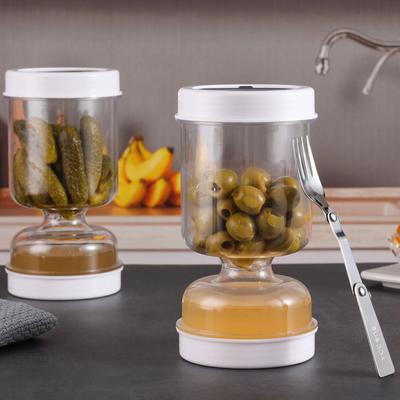
Uplift Picks Olive Pickle Strainer Jar Flip Airtight Container With Brine Separator For Fridge Storage transparent 2 Pcs 2 tierEnjoy pickles, olives, and marinated snacks without messy dripping or digging through brine. This pickle strainer jar uses a clever flip design to separate food from liquid when it is time to serve. The hourglass style keeps brine available for...130,48 $*Shipping: 0,00 $Secure redirect to the provider
-
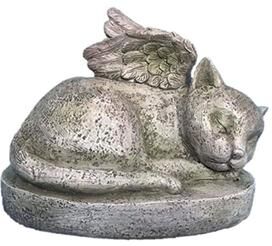
Santas Workshop Inc "7.5"" Remembrance Kitty"Pay tribute to the special bond shared between you and your favorite feline with this wonderful kitty angel statue. Built to last from weather resistant resin, this beautiful remembrance kitty will provide many seasons of enjoyment.35,49 $*Shipping: 0,00 $Secure redirect to the provider


-
What are brine shrimp?
Brine shrimp are small aquatic crustaceans that live in saltwater environments such as salt lakes, ponds, and coastal waters. They are also known as "sea monkeys" and are often used as live food for aquarium fish and as a model organism in scientific research. Brine shrimp are known for their ability to survive in extreme conditions, including high salinity and fluctuating temperatures. They are an important part of the aquatic food chain and play a role in nutrient cycling in their ecosystems. **
-
What do brine shrimp eat?
Brine shrimp are filter feeders and primarily consume algae and other small organic particles in the water. They use their feathery appendages to filter out food from the water. In captivity, they can be fed a diet of powdered algae or yeast, as well as commercial brine shrimp food. Additionally, they can also consume microorganisms and bacteria present in the water. **
-
How old do brine shrimp live?
Brine shrimp typically have a lifespan of around 6 months to a year in the wild. However, in captivity, they can live for up to 2 years under optimal conditions. Their lifespan can be influenced by factors such as water quality, temperature, and food availability. **
-
What is osmosis in brine shrimp?
Osmosis in brine shrimp refers to the movement of water across a semi-permeable membrane from an area of lower solute concentration to an area of higher solute concentration. In the case of brine shrimp, osmosis plays a crucial role in maintaining their internal water balance. When brine shrimp are placed in a hypertonic solution (such as saltwater), water will move out of their bodies, causing them to shrink and potentially die. Conversely, when brine shrimp are in a hypotonic solution (such as freshwater), water will move into their bodies, causing them to swell and potentially burst. **


How long do brine shrimp live?
Brine shrimp typically have a lifespan of about 1-2 years in the wild. In captivity, their lifespan can vary depending on the conditions in which they are kept. With proper care and maintenance, brine shrimp can live for several months in a well-maintained aquarium or hatchery. However, their lifespan can be shorter if they are not provided with the necessary food, water quality, and environmental conditions. **
How does osmosis work in brine shrimp?
Osmosis works in brine shrimp by allowing water to move across their semi-permeable membranes in response to differences in solute concentration. In a hypertonic environment, such as concentrated saltwater, the brine shrimp's cells have a higher solute concentration than the surrounding water. As a result, water moves out of the shrimp's cells through osmosis, causing them to shrink and become dehydrated. Conversely, in a hypotonic environment, such as freshwater, water moves into the shrimp's cells, causing them to swell and potentially burst. This delicate balance of osmosis is crucial for the survival of brine shrimp in their natural habitats. **
Top-Angebote
Products related to Brine:
-
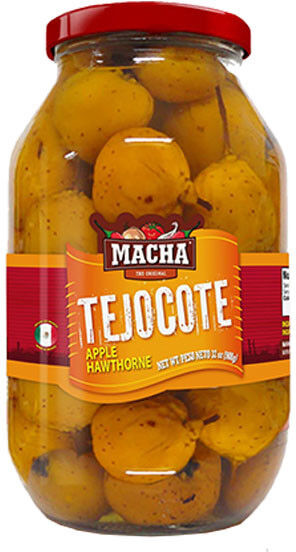
Macha Tejocote Fruit in Brine 908gThe fruit tejocote is like a small apple with a sour taste, very fragrant and yellowish-orange in colour. It has 4-6 small bones inside and is 1-2 cm in diameter. In Mexico, it is eaten raw, cooked or canned. It is a main ingredient used in ponche, the traditional Mexican hot fruit punch that is served at Christmas time and on New Year's Eve.10,20 £*Shipping: 3,90 £Secure redirect to the provider
-
Inspired Living Artemia Brine Shrimp Hatchery Kit Easy Harvest Brine Shrimp Hatchery Bucket Incubator For Fresh Live Fish Food sYou dont need complicated setups to give your fish the freshest nutrition possible. This compact artemia incubator makes hatching brine shrimp clean, simple, and surprisingly satisfyingperfect for aquarists who want healthier fry growth and better...23,97 $*Shipping: 0,00 $Secure redirect to the provider
-
Inspire Curations Angel Cat Memorial Statue Resin Pet Remembrance Home Decor Angel Cat Memorial Statue Resin Pet Remembrance Home DecorHonor a love that never fades. This beautifully crafted angel cat memorial statue captures the quiet grace and unconditional bond shared with a beloved pet. Designed with delicate wings and a serene expression, this resin cat angel figurine offers...58,95 $*Shipping: 0,00 $Secure redirect to the provider
-
What is a brine pump and what does brine temperature mean?
A brine pump is a device used in refrigeration systems to circulate a brine solution, typically a mixture of water and salt or other chemicals, through a system to absorb and transfer heat. Brine temperature refers to the temperature of the brine solution circulating in the system. Controlling the brine temperature is crucial in maintaining the desired temperature levels in the refrigeration system, as it directly affects the efficiency of heat transfer and overall system performance. **
-
Triops or brine shrimp?
Both Triops and brine shrimp are small crustaceans commonly used as live food for fish and other aquatic animals. Triops are often larger and have a more complex life cycle, while brine shrimp are smaller and reproduce quickly in saltwater environments. Triops are also known for their unique ability to enter a state of suspended animation when their habitat dries up, allowing them to survive in harsh conditions. Ultimately, the choice between Triops and brine shrimp depends on the specific needs of the animals being fed and the preferences of the keeper. **
-
What are brine shrimp?
Brine shrimp are small aquatic crustaceans that live in saltwater environments such as salt lakes, ponds, and coastal waters. They are also known as "sea monkeys" and are often used as live food for aquarium fish and as a model organism in scientific research. Brine shrimp are known for their ability to survive in extreme conditions, including high salinity and fluctuating temperatures. They are an important part of the aquatic food chain and play a role in nutrient cycling in their ecosystems. **
-
What do brine shrimp eat?
Brine shrimp are filter feeders and primarily consume algae and other small organic particles in the water. They use their feathery appendages to filter out food from the water. In captivity, they can be fed a diet of powdered algae or yeast, as well as commercial brine shrimp food. Additionally, they can also consume microorganisms and bacteria present in the water. **
Similar search terms for Brine
-
Uplift Picks Olive Pickle Strainer Jar Flip Airtight Container With Brine Separator For Fridge Storage transparent 2 Pcs 2 tierEnjoy pickles, olives, and marinated snacks without messy dripping or digging through brine. This pickle strainer jar uses a clever flip design to separate food from liquid when it is time to serve. The hourglass style keeps brine available for...130,48 $*Shipping: 0,00 $Secure redirect to the provider
-
Santas Workshop Inc "7.5"" Remembrance Kitty"Pay tribute to the special bond shared between you and your favorite feline with this wonderful kitty angel statue. Built to last from weather resistant resin, this beautiful remembrance kitty will provide many seasons of enjoyment.35,49 $*Shipping: 0,00 $Secure redirect to the provider
-
Bronzhaus Signed Carrier Honoring Frederic Chopin Bronze Sculpture Statue Figure FigurineCondition: This sculpture is in perfect condition Bronze Dimensions with Marble Base: Height 27 inches X Width 8 1/2 inches Marble Dimensions:8 1/2 inches X 8 inches Height without base:26 inches Weight:42 LBS Inventory:27Y26316572 Original or…651,99 $*Shipping: 0,00 $Secure redirect to the provider
-
Touch of Class Loving Tribute Table Sculpture Antique Silver , Antique SilverThe Loving Tribute Table Sculpture depicts a bold, abstract design of tangled curves that swirl to a single point. This contemporary, resin sculpture has an antique silver finish and a black mounting base. Measures 6 Wx5.5 Dx18.5 H. This item is our...85,00 $*Shipping: 15,95 $Secure redirect to the provider
-
How old do brine shrimp live?
Brine shrimp typically have a lifespan of around 6 months to a year in the wild. However, in captivity, they can live for up to 2 years under optimal conditions. Their lifespan can be influenced by factors such as water quality, temperature, and food availability. **
-
What is osmosis in brine shrimp?
Osmosis in brine shrimp refers to the movement of water across a semi-permeable membrane from an area of lower solute concentration to an area of higher solute concentration. In the case of brine shrimp, osmosis plays a crucial role in maintaining their internal water balance. When brine shrimp are placed in a hypertonic solution (such as saltwater), water will move out of their bodies, causing them to shrink and potentially die. Conversely, when brine shrimp are in a hypotonic solution (such as freshwater), water will move into their bodies, causing them to swell and potentially burst. **
-
How long do brine shrimp live?
Brine shrimp typically have a lifespan of about 1-2 years in the wild. In captivity, their lifespan can vary depending on the conditions in which they are kept. With proper care and maintenance, brine shrimp can live for several months in a well-maintained aquarium or hatchery. However, their lifespan can be shorter if they are not provided with the necessary food, water quality, and environmental conditions. **
-
How does osmosis work in brine shrimp?
Osmosis works in brine shrimp by allowing water to move across their semi-permeable membranes in response to differences in solute concentration. In a hypertonic environment, such as concentrated saltwater, the brine shrimp's cells have a higher solute concentration than the surrounding water. As a result, water moves out of the shrimp's cells through osmosis, causing them to shrink and become dehydrated. Conversely, in a hypotonic environment, such as freshwater, water moves into the shrimp's cells, causing them to swell and potentially burst. This delicate balance of osmosis is crucial for the survival of brine shrimp in their natural habitats. **
* All prices are inclusive of VAT and, if applicable, plus shipping costs. The offer information is based on the details provided by the respective shop and is updated through automated processes. Real-time updates do not occur, so deviations can occur in individual cases. ** Note: Parts of this content were created by AI.