Buy funeralawards.eu ?
We are moving the project
funeralawards.eu .
Are you interested in purchasing the domain
funeralawards.eu ?
domain@kv-gmbh.de · 0541-91531010
Buy funeralawards.eu ?
What does the Indian caste system or caste system look like today?
Today, the Indian caste system still exists in many parts of the country, although it is officially outlawed. The system is based on the idea of social hierarchy and divides people into different groups based on their birth and occupation. Discrimination and inequality still persist, with lower caste individuals facing social and economic disadvantages. Despite efforts to eradicate the caste system, it continues to influence social interactions, marriage, and access to resources in Indian society. **
What is the caste system in India and how are individuals classified into a caste?
The caste system in India is a social hierarchy that categorizes individuals into different groups based on their birth, occupation, and social status. There are four main castes - Brahmins (priests and scholars), Kshatriyas (warriors and rulers), Vaishyas (merchants and farmers), and Shudras (laborers). Below these castes are the Dalits, formerly known as "untouchables," who have historically been marginalized and faced discrimination. Individuals are typically classified into a caste based on their family background and hereditary occupation, with very limited mobility between castes. **


Similar search terms for Caste
Top-Angebote
Products related to Caste:
-
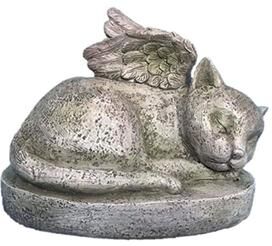
Santas Workshop Inc "7.5"" Remembrance Kitty"Pay tribute to the special bond shared between you and your favorite feline with this wonderful kitty angel statue. Built to last from weather resistant resin, this beautiful remembrance kitty will provide many seasons of enjoyment.35,49 $*Shipping: 0,00 $Secure redirect to the provider
-
Bronzhaus Signed Carrier Honoring Frederic Chopin Bronze Sculpture Statue Figure FigurineCondition: This sculpture is in perfect condition Bronze Dimensions with Marble Base: Height 27 inches X Width 8 1/2 inches Marble Dimensions:8 1/2 inches X 8 inches Height without base:26 inches Weight:42 LBS Inventory:27Y26316572 Original or…651,99 $*Shipping: 0,00 $Secure redirect to the provider
-
Touch of Class Loving Tribute Table Sculpture Antique Silver , Antique SilverThe Loving Tribute Table Sculpture depicts a bold, abstract design of tangled curves that swirl to a single point. This contemporary, resin sculpture has an antique silver finish and a black mounting base. Measures 6 Wx5.5 Dx18.5 H. This item is our...85,00 $*Shipping: 15,95 $Secure redirect to the provider
-
Uplift Treasures Personalized Memorial Flameless LED Candle With Photo Personalized Memorial Flameless LED Candle With PhotoProduct Description: Honor the memory of a loved one with this personalized flameless LED memorial candle. Customize it with a cherished photo and meaningful text to create a beautiful keepsake that offers a warm, comforting glow for memorials,...103,97 $*Shipping: 0,00 $Secure redirect to the provider



-
What is the caste system in India and how are people classified into a caste?
The caste system in India is a social hierarchy that categorizes people into different groups based on their birth, occupation, and social status. There are four main castes: Brahmins (priests and scholars), Kshatriyas (warriors and rulers), Vaishyas (merchants and traders), and Shudras (laborers and service providers). Below these castes are the Dalits, who were historically considered untouchable and were often relegated to the most menial and degrading jobs. People are classified into a caste based on their family background and the occupation of their ancestors, and it is very difficult to change one's caste. This system has been a source of discrimination and inequality in Indian society for centuries. **
-
Why was the caste system abolished?
The caste system was abolished in India because it was seen as discriminatory and oppressive, perpetuating social inequality and injustice. The system restricted social mobility and opportunities for individuals based on their birth, leading to widespread discrimination and exploitation of lower caste members. The Indian government recognized the need to promote equality and social justice, leading to the abolition of the caste system through legislation and affirmative action policies. This allowed for greater opportunities for individuals from lower castes to access education, employment, and political representation. **
-
What is the caste system in Pakistan?
The caste system in Pakistan is a social hierarchy that divides people into different groups based on their ancestry and occupation. It is a system of social stratification that determines one's social status and opportunities in life. The caste system in Pakistan is deeply ingrained in society and influences various aspects of people's lives, including marriage, education, and employment opportunities. Despite efforts to eradicate caste-based discrimination, it continues to exist in many parts of the country. **
-
What is the caste system in Germany?
There is no formal caste system in Germany. However, there are social hierarchies and inequalities based on factors such as wealth, education, and occupation. Discrimination and prejudice based on ethnicity, nationality, or religion can also contribute to social stratification in German society. Overall, Germany has made efforts to promote equality and combat discrimination through laws and policies. **


How does the caste system work in India?
The caste system in India is a social hierarchy that divides people into different groups based on their birth and occupation. The system is traditionally divided into four main castes - Brahmins (priests and scholars), Kshatriyas (warriors and rulers), Vaishyas (merchants and traders), and Shudras (laborers and service providers). Below these castes are the Dalits, who are considered to be outside the caste system and historically faced severe discrimination and social exclusion. The caste system determines social status, occupation, and even marriage prospects, and has been a source of inequality and discrimination in Indian society. While the Indian government has taken steps to address caste-based discrimination, the system still has a significant impact on social dynamics in the country. **
Why does the caste system still exist today?
The caste system still exists today primarily due to social, cultural, and historical factors deeply ingrained in Indian society. It has been perpetuated through generations as a way to maintain social order and hierarchy. Additionally, economic disparities and lack of access to education and opportunities have also contributed to the persistence of the caste system. Despite efforts to eradicate it, the caste system continues to influence social interactions and relationships in many parts of India. **
Top-Angebote
Products related to Caste:
-
Inspire Curations Angel Cat Memorial Statue Resin Pet Remembrance Home Decor Angel Cat Memorial Statue Resin Pet Remembrance Home DecorHonor a love that never fades. This beautifully crafted angel cat memorial statue captures the quiet grace and unconditional bond shared with a beloved pet. Designed with delicate wings and a serene expression, this resin cat angel figurine offers...58,95 $*Shipping: 0,00 $Secure redirect to the provider
-
Santas Workshop Inc "7.5"" Remembrance Kitty"Pay tribute to the special bond shared between you and your favorite feline with this wonderful kitty angel statue. Built to last from weather resistant resin, this beautiful remembrance kitty will provide many seasons of enjoyment.35,49 $*Shipping: 0,00 $Secure redirect to the provider
-
Bronzhaus Signed Carrier Honoring Frederic Chopin Bronze Sculpture Statue Figure FigurineCondition: This sculpture is in perfect condition Bronze Dimensions with Marble Base: Height 27 inches X Width 8 1/2 inches Marble Dimensions:8 1/2 inches X 8 inches Height without base:26 inches Weight:42 LBS Inventory:27Y26316572 Original or…651,99 $*Shipping: 0,00 $Secure redirect to the provider
-
What does the Indian caste system or caste system look like today?
Today, the Indian caste system still exists in many parts of the country, although it is officially outlawed. The system is based on the idea of social hierarchy and divides people into different groups based on their birth and occupation. Discrimination and inequality still persist, with lower caste individuals facing social and economic disadvantages. Despite efforts to eradicate the caste system, it continues to influence social interactions, marriage, and access to resources in Indian society. **
-
What is the caste system in India and how are individuals classified into a caste?
The caste system in India is a social hierarchy that categorizes individuals into different groups based on their birth, occupation, and social status. There are four main castes - Brahmins (priests and scholars), Kshatriyas (warriors and rulers), Vaishyas (merchants and farmers), and Shudras (laborers). Below these castes are the Dalits, formerly known as "untouchables," who have historically been marginalized and faced discrimination. Individuals are typically classified into a caste based on their family background and hereditary occupation, with very limited mobility between castes. **
-
What is the caste system in India and how are people classified into a caste?
The caste system in India is a social hierarchy that categorizes people into different groups based on their birth, occupation, and social status. There are four main castes: Brahmins (priests and scholars), Kshatriyas (warriors and rulers), Vaishyas (merchants and traders), and Shudras (laborers and service providers). Below these castes are the Dalits, who were historically considered untouchable and were often relegated to the most menial and degrading jobs. People are classified into a caste based on their family background and the occupation of their ancestors, and it is very difficult to change one's caste. This system has been a source of discrimination and inequality in Indian society for centuries. **
-
Why was the caste system abolished?
The caste system was abolished in India because it was seen as discriminatory and oppressive, perpetuating social inequality and injustice. The system restricted social mobility and opportunities for individuals based on their birth, leading to widespread discrimination and exploitation of lower caste members. The Indian government recognized the need to promote equality and social justice, leading to the abolition of the caste system through legislation and affirmative action policies. This allowed for greater opportunities for individuals from lower castes to access education, employment, and political representation. **
Similar search terms for Caste
-
Touch of Class Loving Tribute Table Sculpture Antique Silver , Antique SilverThe Loving Tribute Table Sculpture depicts a bold, abstract design of tangled curves that swirl to a single point. This contemporary, resin sculpture has an antique silver finish and a black mounting base. Measures 6 Wx5.5 Dx18.5 H. This item is our...85,00 $*Shipping: 15,95 $Secure redirect to the provider
-
Uplift Treasures Personalized Memorial Flameless LED Candle With Photo Personalized Memorial Flameless LED Candle With PhotoProduct Description: Honor the memory of a loved one with this personalized flameless LED memorial candle. Customize it with a cherished photo and meaningful text to create a beautiful keepsake that offers a warm, comforting glow for memorials,...103,97 $*Shipping: 0,00 $Secure redirect to the provider
-
Evergreen Memorial Forever Dog Garden Stone"This Memorial Forever Dog Garden Stone offers a heartfelt way to honor a beloved companion, combining a sculpted angel wings motif with the tender sentiment ""Dogs leave paw prints on our hearts"" for a meaningful memorial accent."33,49 $*Shipping: 0,00 $Secure redirect to the provider
-
What is the caste system in Pakistan?
The caste system in Pakistan is a social hierarchy that divides people into different groups based on their ancestry and occupation. It is a system of social stratification that determines one's social status and opportunities in life. The caste system in Pakistan is deeply ingrained in society and influences various aspects of people's lives, including marriage, education, and employment opportunities. Despite efforts to eradicate caste-based discrimination, it continues to exist in many parts of the country. **
-
What is the caste system in Germany?
There is no formal caste system in Germany. However, there are social hierarchies and inequalities based on factors such as wealth, education, and occupation. Discrimination and prejudice based on ethnicity, nationality, or religion can also contribute to social stratification in German society. Overall, Germany has made efforts to promote equality and combat discrimination through laws and policies. **
-
How does the caste system work in India?
The caste system in India is a social hierarchy that divides people into different groups based on their birth and occupation. The system is traditionally divided into four main castes - Brahmins (priests and scholars), Kshatriyas (warriors and rulers), Vaishyas (merchants and traders), and Shudras (laborers and service providers). Below these castes are the Dalits, who are considered to be outside the caste system and historically faced severe discrimination and social exclusion. The caste system determines social status, occupation, and even marriage prospects, and has been a source of inequality and discrimination in Indian society. While the Indian government has taken steps to address caste-based discrimination, the system still has a significant impact on social dynamics in the country. **
-
Why does the caste system still exist today?
The caste system still exists today primarily due to social, cultural, and historical factors deeply ingrained in Indian society. It has been perpetuated through generations as a way to maintain social order and hierarchy. Additionally, economic disparities and lack of access to education and opportunities have also contributed to the persistence of the caste system. Despite efforts to eradicate it, the caste system continues to influence social interactions and relationships in many parts of India. **
* All prices are inclusive of VAT and, if applicable, plus shipping costs. The offer information is based on the details provided by the respective shop and is updated through automated processes. Real-time updates do not occur, so deviations can occur in individual cases. ** Note: Parts of this content were created by AI.