Buy funeralawards.eu ?
We are moving the project
funeralawards.eu .
Are you interested in purchasing the domain
funeralawards.eu ?
domain@kv-gmbh.de · 0541-91531010
Buy funeralawards.eu ?
What is the difference between differential centrifugation and density gradient centrifugation?
Differential centrifugation separates particles based on their size and density by subjecting a sample to multiple rounds of centrifugation at increasing speeds. This method results in the formation of a pellet containing the heaviest particles at each step. Density gradient centrifugation, on the other hand, separates particles based on their buoyant density by layering a sample on top of a density gradient medium and subjecting it to centrifugation. This method results in the formation of distinct bands or layers of particles based on their buoyant density within the gradient medium. Overall, differential centrifugation separates particles based on their size and density, while density gradient centrifugation separates particles based on their buoyant density within a gradient medium. **
How does differential centrifugation work?
Differential centrifugation is a method used to separate different components of a cell or tissue sample based on their size, shape, and density. The sample is first homogenized to break open the cells and release their contents. The homogenate is then subjected to a series of centrifugation steps at increasing speeds, which causes the larger and denser components to sediment out first, followed by the smaller and lighter components. This process results in the separation of organelles and other cellular components into different fractions, which can then be further analyzed or used for various experiments. **


Similar search terms for Centrifugation
Top-Angebote
Products related to Centrifugation:
-
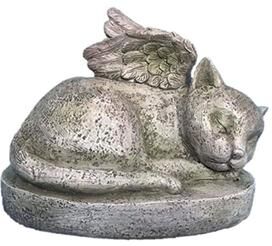
Santas Workshop Inc "7.5"" Remembrance Kitty"Pay tribute to the special bond shared between you and your favorite feline with this wonderful kitty angel statue. Built to last from weather resistant resin, this beautiful remembrance kitty will provide many seasons of enjoyment.35,49 $*Shipping: 0,00 $Secure redirect to the provider
-
Bronzhaus Signed Carrier Honoring Frederic Chopin Bronze Sculpture Statue Figure FigurineCondition: This sculpture is in perfect condition Bronze Dimensions with Marble Base: Height 27 inches X Width 8 1/2 inches Marble Dimensions:8 1/2 inches X 8 inches Height without base:26 inches Weight:42 LBS Inventory:27Y26316572 Original or…651,99 $*Shipping: 0,00 $Secure redirect to the provider
-
Touch of Class Loving Tribute Table Sculpture Antique Silver , Antique SilverThe Loving Tribute Table Sculpture depicts a bold, abstract design of tangled curves that swirl to a single point. This contemporary, resin sculpture has an antique silver finish and a black mounting base. Measures 6 Wx5.5 Dx18.5 H. This item is our...85,00 $*Shipping: 15,95 $Secure redirect to the provider
-
Uplift Treasures Personalized Memorial Flameless LED Candle With Photo Personalized Memorial Flameless LED Candle With PhotoProduct Description: Honor the memory of a loved one with this personalized flameless LED memorial candle. Customize it with a cherished photo and meaningful text to create a beautiful keepsake that offers a warm, comforting glow for memorials,...103,97 $*Shipping: 0,00 $Secure redirect to the provider



-
What is equilibrium density gradient centrifugation?
Equilibrium density gradient centrifugation is a technique used to separate particles or molecules based on their density. In this method, a sample is layered on top of a density gradient medium, such as sucrose or cesium chloride, and then centrifuged at high speeds. As the centrifuge spins, the particles in the sample move through the density gradient until they reach a point where their density matches that of the surrounding medium, resulting in a banding pattern. This allows for the separation and purification of different components based on their density. **
-
What is a simple experiment about centrifugation?
A simple experiment about centrifugation can involve separating a mixture of water and sand. First, mix the water and sand in a test tube. Then, place the test tube in a centrifuge and spin it at a high speed. The centrifugal force will cause the sand particles to settle at the bottom of the test tube, while the water will remain on top. This demonstrates how centrifugation can be used to separate substances of different densities. **
-
How does the separation process of centrifugation work?
Centrifugation works by using centrifugal force to separate substances of different densities in a mixture. When the mixture is spun at high speeds in a centrifuge, the denser components move towards the bottom of the centrifuge tube, while the lighter components move towards the top. This allows for the separation of the different components based on their density. After the spinning is complete, the separated components can be easily collected from their respective positions in the tube. **
-
Can liquid metals be separated from each other by centrifugation?
Yes, liquid metals can be separated from each other by centrifugation. Centrifugation works by applying centrifugal force to a mixture, causing the components to separate based on their density. Since different metals have different densities, they can be separated from each other using centrifugation. This process is commonly used in metallurgy and metal refining to separate different metals from each other. **

What is a simple experiment on the topic of centrifugation?
A simple experiment on centrifugation can be done using a mixture of water and sand in a test tube. By spinning the test tube in a centrifuge, the heavier sand particles will settle at the bottom due to centrifugal force, while the lighter water will remain on top. This demonstrates how centrifugation can be used to separate mixtures based on their density. Students can then observe and analyze the separated components to understand the principle of centrifugation. **
Can someone tell me the steps of cell fractionation by density gradient centrifugation with explanation?
Cell fractionation by density gradient centrifugation involves several steps: 1. Homogenization: The first step is to break open the cells and release their contents. This is typically done using a homogenizer or sonicator to disrupt the cell membranes. 2. Centrifugation: The homogenized cell suspension is then centrifuged at a low speed to remove large debris and unbroken cells. This step separates the homogenate into different fractions based on size and density. 3. Density gradient formation: A density gradient solution, such as sucrose or cesium chloride, is prepared and layered in a centrifuge tube. The gradient is formed by layering solutions of increasing density from the bottom to the top of the tube. 4. Centrifugation: The cell homogenate is then layered on top of the density gradient and centrifuged at high speeds. During centrifugation, the different cellular components separate based on their density and form distinct bands within the gradient. **
Top-Angebote
Products related to Centrifugation:
-
Inspire Curations Angel Cat Memorial Statue Resin Pet Remembrance Home Decor Angel Cat Memorial Statue Resin Pet Remembrance Home DecorHonor a love that never fades. This beautifully crafted angel cat memorial statue captures the quiet grace and unconditional bond shared with a beloved pet. Designed with delicate wings and a serene expression, this resin cat angel figurine offers...58,95 $*Shipping: 0,00 $Secure redirect to the provider
-
Santas Workshop Inc "7.5"" Remembrance Kitty"Pay tribute to the special bond shared between you and your favorite feline with this wonderful kitty angel statue. Built to last from weather resistant resin, this beautiful remembrance kitty will provide many seasons of enjoyment.35,49 $*Shipping: 0,00 $Secure redirect to the provider
-
Bronzhaus Signed Carrier Honoring Frederic Chopin Bronze Sculpture Statue Figure FigurineCondition: This sculpture is in perfect condition Bronze Dimensions with Marble Base: Height 27 inches X Width 8 1/2 inches Marble Dimensions:8 1/2 inches X 8 inches Height without base:26 inches Weight:42 LBS Inventory:27Y26316572 Original or…651,99 $*Shipping: 0,00 $Secure redirect to the provider
-
What is the difference between differential centrifugation and density gradient centrifugation?
Differential centrifugation separates particles based on their size and density by subjecting a sample to multiple rounds of centrifugation at increasing speeds. This method results in the formation of a pellet containing the heaviest particles at each step. Density gradient centrifugation, on the other hand, separates particles based on their buoyant density by layering a sample on top of a density gradient medium and subjecting it to centrifugation. This method results in the formation of distinct bands or layers of particles based on their buoyant density within the gradient medium. Overall, differential centrifugation separates particles based on their size and density, while density gradient centrifugation separates particles based on their buoyant density within a gradient medium. **
-
How does differential centrifugation work?
Differential centrifugation is a method used to separate different components of a cell or tissue sample based on their size, shape, and density. The sample is first homogenized to break open the cells and release their contents. The homogenate is then subjected to a series of centrifugation steps at increasing speeds, which causes the larger and denser components to sediment out first, followed by the smaller and lighter components. This process results in the separation of organelles and other cellular components into different fractions, which can then be further analyzed or used for various experiments. **
-
What is equilibrium density gradient centrifugation?
Equilibrium density gradient centrifugation is a technique used to separate particles or molecules based on their density. In this method, a sample is layered on top of a density gradient medium, such as sucrose or cesium chloride, and then centrifuged at high speeds. As the centrifuge spins, the particles in the sample move through the density gradient until they reach a point where their density matches that of the surrounding medium, resulting in a banding pattern. This allows for the separation and purification of different components based on their density. **
-
What is a simple experiment about centrifugation?
A simple experiment about centrifugation can involve separating a mixture of water and sand. First, mix the water and sand in a test tube. Then, place the test tube in a centrifuge and spin it at a high speed. The centrifugal force will cause the sand particles to settle at the bottom of the test tube, while the water will remain on top. This demonstrates how centrifugation can be used to separate substances of different densities. **
Similar search terms for Centrifugation
-
Touch of Class Loving Tribute Table Sculpture Antique Silver , Antique SilverThe Loving Tribute Table Sculpture depicts a bold, abstract design of tangled curves that swirl to a single point. This contemporary, resin sculpture has an antique silver finish and a black mounting base. Measures 6 Wx5.5 Dx18.5 H. This item is our...85,00 $*Shipping: 15,95 $Secure redirect to the provider
-
Uplift Treasures Personalized Memorial Flameless LED Candle With Photo Personalized Memorial Flameless LED Candle With PhotoProduct Description: Honor the memory of a loved one with this personalized flameless LED memorial candle. Customize it with a cherished photo and meaningful text to create a beautiful keepsake that offers a warm, comforting glow for memorials,...103,97 $*Shipping: 0,00 $Secure redirect to the provider
-
Evergreen Memorial Forever Dog Garden Stone"This Memorial Forever Dog Garden Stone offers a heartfelt way to honor a beloved companion, combining a sculpted angel wings motif with the tender sentiment ""Dogs leave paw prints on our hearts"" for a meaningful memorial accent."33,49 $*Shipping: 0,00 $Secure redirect to the provider
-
How does the separation process of centrifugation work?
Centrifugation works by using centrifugal force to separate substances of different densities in a mixture. When the mixture is spun at high speeds in a centrifuge, the denser components move towards the bottom of the centrifuge tube, while the lighter components move towards the top. This allows for the separation of the different components based on their density. After the spinning is complete, the separated components can be easily collected from their respective positions in the tube. **
-
Can liquid metals be separated from each other by centrifugation?
Yes, liquid metals can be separated from each other by centrifugation. Centrifugation works by applying centrifugal force to a mixture, causing the components to separate based on their density. Since different metals have different densities, they can be separated from each other using centrifugation. This process is commonly used in metallurgy and metal refining to separate different metals from each other. **
-
What is a simple experiment on the topic of centrifugation?
A simple experiment on centrifugation can be done using a mixture of water and sand in a test tube. By spinning the test tube in a centrifuge, the heavier sand particles will settle at the bottom due to centrifugal force, while the lighter water will remain on top. This demonstrates how centrifugation can be used to separate mixtures based on their density. Students can then observe and analyze the separated components to understand the principle of centrifugation. **
-
Can someone tell me the steps of cell fractionation by density gradient centrifugation with explanation?
Cell fractionation by density gradient centrifugation involves several steps: 1. Homogenization: The first step is to break open the cells and release their contents. This is typically done using a homogenizer or sonicator to disrupt the cell membranes. 2. Centrifugation: The homogenized cell suspension is then centrifuged at a low speed to remove large debris and unbroken cells. This step separates the homogenate into different fractions based on size and density. 3. Density gradient formation: A density gradient solution, such as sucrose or cesium chloride, is prepared and layered in a centrifuge tube. The gradient is formed by layering solutions of increasing density from the bottom to the top of the tube. 4. Centrifugation: The cell homogenate is then layered on top of the density gradient and centrifuged at high speeds. During centrifugation, the different cellular components separate based on their density and form distinct bands within the gradient. **
* All prices are inclusive of VAT and, if applicable, plus shipping costs. The offer information is based on the details provided by the respective shop and is updated through automated processes. Real-time updates do not occur, so deviations can occur in individual cases. ** Note: Parts of this content were created by AI.