Buy funeralawards.eu ?
We are moving the project
funeralawards.eu .
Are you interested in purchasing the domain
funeralawards.eu ?
domain@kv-gmbh.de · 0541-91531010
Buy funeralawards.eu ?
What is the difference between ethanol and plant-based ethanol?
Ethanol is a type of alcohol that is commonly used as a fuel additive or solvent. It is typically produced from the fermentation of sugars in crops such as corn, sugarcane, or wheat. Plant-based ethanol, on the other hand, refers to ethanol that is specifically derived from the fermentation of plant materials, such as cellulose or lignocellulose, rather than from the sugars found in the crop itself. This distinction is important because plant-based ethanol has the potential to be produced from non-food sources, making it a more sustainable and environmentally friendly alternative to traditional ethanol production. **
What is ethanol, then?
Ethanol is a type of alcohol that is commonly used as a fuel, solvent, and in the production of alcoholic beverages. It is a clear, colorless liquid with a characteristic odor, and is flammable. Ethanol is produced through the fermentation of sugars by yeast, and is commonly used as a renewable and sustainable fuel source in the form of bioethanol. It is also used as a solvent in various industries, and is the main type of alcohol found in alcoholic beverages. **


Similar search terms for Ethanol
Top-Angebote
Products related to Ethanol:
-
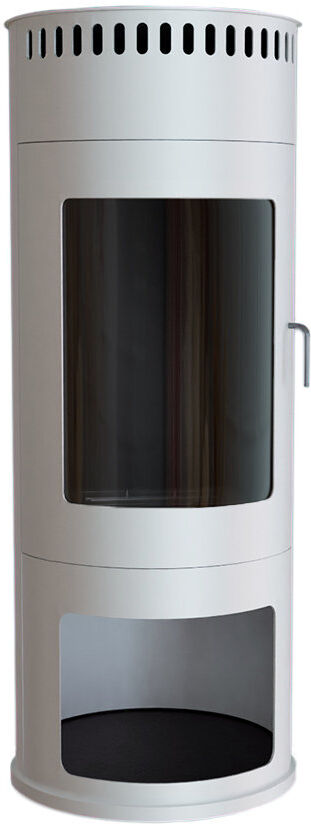
Symple Stuff 42 cm W Bio-Ethanol Fireplace with 7507 BTU BlackThe Washington stove fireplace from ScandiFlames combines the timeless charm of a classic wood burner with the modern convenience of bioethanol. With a size of H: 112 cm x diameter: 42 cm, it fits seamlessly into any home. Its 1.5-litre bioethanol burner offers up to 6 hours of burn time and generates a heat output of 2.2 kW, perfect for warming a 25-30 square meter room while you relax, catch up on the latest news, or enjoy time with family.This manually operated fireplace requires no electricity and is completely chimney-free, making it a simple and hassle-free choice for creating a cozy and inviting atmosphere at home.This manually operated fireplace requires no electricity and is completely chimney-free, making it a simple and hassle-free choice for creating a cozy and inviting atmosphere at home. Symple Stuff Finish: Black769,99 £*Shipping: 0,00 £Secure redirect to the provider
-
Symple Stuff 42 cm W Bio-Ethanol Fireplace with 7507 BTU WhiteThe Washington stove fireplace from ScandiFlames combines the timeless charm of a classic wood burner with the modern convenience of bioethanol. With a size of H: 112 cm x diameter: 42 cm, it fits seamlessly into any home. Its 1.5-litre bioethanol burner offers up to 6 hours of burn time and generates a heat output of 2.2 kW, perfect for warming a 25-30 square meter room while you relax, catch up on the latest news, or enjoy time with family.This manually operated fireplace requires no electricity and is completely chimney-free, making it a simple and hassle-free choice for creating a cozy and inviting atmosphere at home.This manually operated fireplace requires no electricity and is completely chimney-free, making it a simple and hassle-free choice for creating a cozy and inviting atmosphere at home. Symple Stuff Finish: White799,99 £*Shipping: 0,00 £Secure redirect to the provider
-
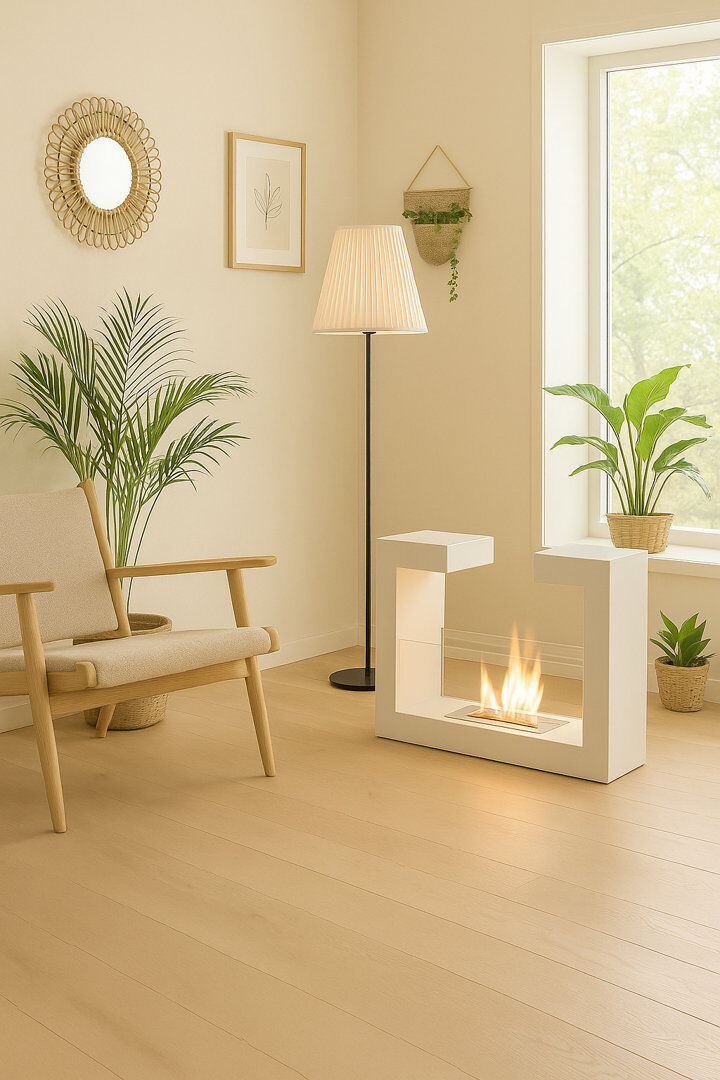
Palmieri Metro Lane 78 cm W Bio-Ethanol Fireplace with 6.7 BTU WhiteThis ventless bio-ethanol fireplace brings magic to your home, creating an elegant and inviting atmosphere. It’s fueled by bio-ethanol (not included), a smokeless and odourless fuel made of vegetal material, so it’s ideal both for indoor and outdoor use. It’s easy to move from one location to another as needed: you can place it in your living room, bedroom, terrace, or garden. Surprise your guests with this unique and functional piece of design furniture. Metro Lane Finish: White179,99 £*Shipping: 0,00 £Secure redirect to the provider
-
Palmieri Metro Lane 78 cm W Bio-Ethanol Fireplace with 6.7 BTU Rusty BrownThis ventless bio-ethanol fireplace brings magic to your home, creating an elegant and inviting atmosphere. It’s fueled by bio-ethanol (not included), a smokeless and odourless fuel made of vegetal material, so it’s ideal both for indoor and outdoor use. It’s easy to move from one location to another as needed: you can place it in your living room, bedroom, terrace, or garden. Surprise your guests with this unique and functional piece of design furniture. Metro Lane Finish: Rusty Brown295,99 £*Shipping: 0,00 £Secure redirect to the provider


-
Is pure ethanol toxic?
Yes, pure ethanol is toxic to humans. Ingesting even small amounts of pure ethanol can cause poisoning and potentially be fatal. It can also cause irritation and damage to the skin, eyes, and respiratory system. Therefore, it is important to handle pure ethanol with caution and use it in a well-ventilated area. **
-
Does ethanol kill fungi?
Yes, ethanol is effective at killing fungi. Ethanol disrupts the cell membrane of fungi, leading to their death. It is commonly used as a disinfectant and antiseptic to kill a wide range of microorganisms, including fungi. Ethanol is often used in healthcare settings and in household cleaning products to eliminate fungal growth on surfaces. **
-
How is ethanol produced?
Ethanol is primarily produced through the fermentation of sugars by yeast. This process involves breaking down sugars from various sources such as corn, sugarcane, or other biomass into ethanol and carbon dioxide. The fermentation process is followed by distillation to separate the ethanol from the mixture. The ethanol produced can then be further purified for various industrial applications, including as a biofuel or in the production of alcoholic beverages. **
-
How many milliliters of liquid ethanol result in 77 milliliters of gaseous ethanol?
To determine the volume of liquid ethanol that results in 77 milliliters of gaseous ethanol, we need to consider the change in state from liquid to gas. Ethanol has a density of approximately 0.789 g/ml at room temperature. Assuming the liquid ethanol completely vaporizes into gaseous form, the volume of liquid ethanol needed can be calculated by dividing the mass of gaseous ethanol by its density. Therefore, the volume of liquid ethanol required would be approximately 97.7 milliliters. **
Has ethanol been processed correctly?
Without specific information about the ethanol in question and the intended use, it is difficult to determine if it has been processed correctly. Ethanol can be produced through various methods such as fermentation of sugars or chemical synthesis, and the quality and purity of the final product depend on the processing techniques used. It is important to ensure that ethanol intended for consumption or industrial use meets the necessary standards and regulations for safety and effectiveness. Therefore, it is crucial to have detailed information about the processing methods and quality control measures in place to determine if ethanol has been processed correctly. **
Can ethanol turn into methanol?
No, ethanol cannot turn into methanol. Ethanol and methanol are two different chemical compounds with distinct molecular structures. Ethanol is a two-carbon alcohol (C2H5OH), while methanol is a one-carbon alcohol (CH3OH). They cannot spontaneously convert into each other. However, both ethanol and methanol can be produced through different chemical processes, such as fermentation for ethanol and synthesis from natural gas for methanol. **
Top-Angebote
Products related to Ethanol:
-
Inspire Curations Angel Cat Memorial Statue Resin Pet Remembrance Home Decor Angel Cat Memorial Statue Resin Pet Remembrance Home DecorHonor a love that never fades. This beautifully crafted angel cat memorial statue captures the quiet grace and unconditional bond shared with a beloved pet. Designed with delicate wings and a serene expression, this resin cat angel figurine offers...58,95 $*Shipping: 0,00 $Secure redirect to the provider
-
Symple Stuff 42 cm W Bio-Ethanol Fireplace with 7507 BTU BlackThe Washington stove fireplace from ScandiFlames combines the timeless charm of a classic wood burner with the modern convenience of bioethanol. With a size of H: 112 cm x diameter: 42 cm, it fits seamlessly into any home. Its 1.5-litre bioethanol burner offers up to 6 hours of burn time and generates a heat output of 2.2 kW, perfect for warming a 25-30 square meter room while you relax, catch up on the latest news, or enjoy time with family.This manually operated fireplace requires no electricity and is completely chimney-free, making it a simple and hassle-free choice for creating a cozy and inviting atmosphere at home.This manually operated fireplace requires no electricity and is completely chimney-free, making it a simple and hassle-free choice for creating a cozy and inviting atmosphere at home. Symple Stuff Finish: Black769,99 £*Shipping: 0,00 £Secure redirect to the provider
-
Symple Stuff 42 cm W Bio-Ethanol Fireplace with 7507 BTU WhiteThe Washington stove fireplace from ScandiFlames combines the timeless charm of a classic wood burner with the modern convenience of bioethanol. With a size of H: 112 cm x diameter: 42 cm, it fits seamlessly into any home. Its 1.5-litre bioethanol burner offers up to 6 hours of burn time and generates a heat output of 2.2 kW, perfect for warming a 25-30 square meter room while you relax, catch up on the latest news, or enjoy time with family.This manually operated fireplace requires no electricity and is completely chimney-free, making it a simple and hassle-free choice for creating a cozy and inviting atmosphere at home.This manually operated fireplace requires no electricity and is completely chimney-free, making it a simple and hassle-free choice for creating a cozy and inviting atmosphere at home. Symple Stuff Finish: White799,99 £*Shipping: 0,00 £Secure redirect to the provider
-
What is the difference between ethanol and plant-based ethanol?
Ethanol is a type of alcohol that is commonly used as a fuel additive or solvent. It is typically produced from the fermentation of sugars in crops such as corn, sugarcane, or wheat. Plant-based ethanol, on the other hand, refers to ethanol that is specifically derived from the fermentation of plant materials, such as cellulose or lignocellulose, rather than from the sugars found in the crop itself. This distinction is important because plant-based ethanol has the potential to be produced from non-food sources, making it a more sustainable and environmentally friendly alternative to traditional ethanol production. **
-
What is ethanol, then?
Ethanol is a type of alcohol that is commonly used as a fuel, solvent, and in the production of alcoholic beverages. It is a clear, colorless liquid with a characteristic odor, and is flammable. Ethanol is produced through the fermentation of sugars by yeast, and is commonly used as a renewable and sustainable fuel source in the form of bioethanol. It is also used as a solvent in various industries, and is the main type of alcohol found in alcoholic beverages. **
-
Is pure ethanol toxic?
Yes, pure ethanol is toxic to humans. Ingesting even small amounts of pure ethanol can cause poisoning and potentially be fatal. It can also cause irritation and damage to the skin, eyes, and respiratory system. Therefore, it is important to handle pure ethanol with caution and use it in a well-ventilated area. **
-
Does ethanol kill fungi?
Yes, ethanol is effective at killing fungi. Ethanol disrupts the cell membrane of fungi, leading to their death. It is commonly used as a disinfectant and antiseptic to kill a wide range of microorganisms, including fungi. Ethanol is often used in healthcare settings and in household cleaning products to eliminate fungal growth on surfaces. **
Similar search terms for Ethanol
-
Palmieri Metro Lane 78 cm W Bio-Ethanol Fireplace with 6.7 BTU WhiteThis ventless bio-ethanol fireplace brings magic to your home, creating an elegant and inviting atmosphere. It’s fueled by bio-ethanol (not included), a smokeless and odourless fuel made of vegetal material, so it’s ideal both for indoor and outdoor use. It’s easy to move from one location to another as needed: you can place it in your living room, bedroom, terrace, or garden. Surprise your guests with this unique and functional piece of design furniture. Metro Lane Finish: White179,99 £*Shipping: 0,00 £Secure redirect to the provider
-
Palmieri Metro Lane 78 cm W Bio-Ethanol Fireplace with 6.7 BTU Rusty BrownThis ventless bio-ethanol fireplace brings magic to your home, creating an elegant and inviting atmosphere. It’s fueled by bio-ethanol (not included), a smokeless and odourless fuel made of vegetal material, so it’s ideal both for indoor and outdoor use. It’s easy to move from one location to another as needed: you can place it in your living room, bedroom, terrace, or garden. Surprise your guests with this unique and functional piece of design furniture. Metro Lane Finish: Rusty Brown295,99 £*Shipping: 0,00 £Secure redirect to the provider
-
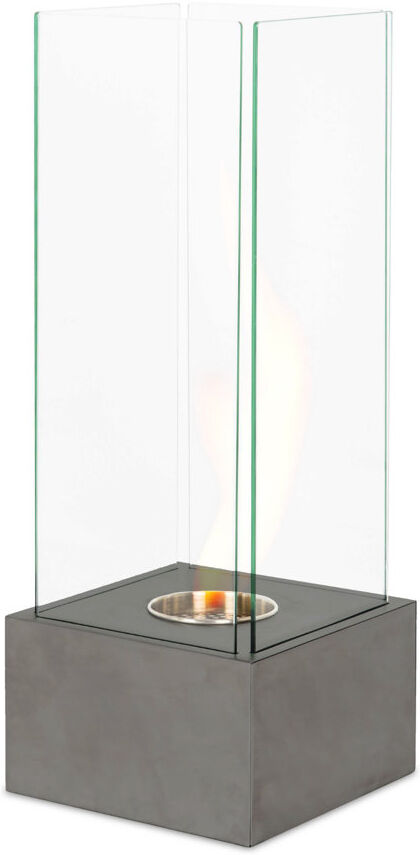
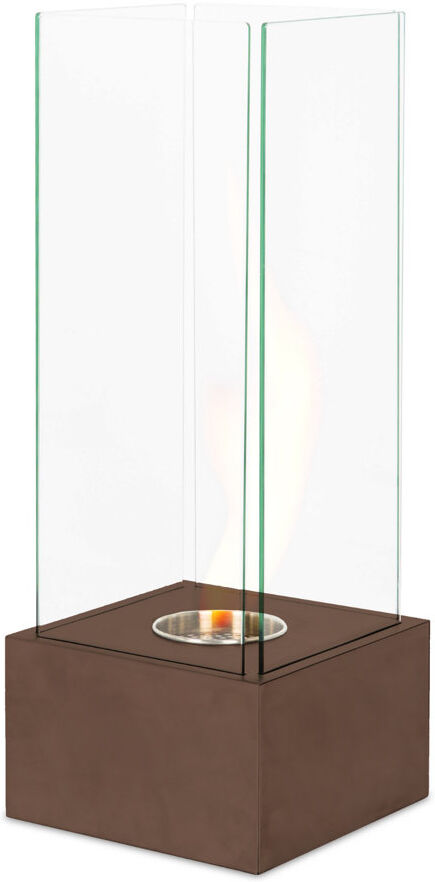
Palmore Metro Lane 25 cm W Copper Bio-Ethanol Fireplace with 6.7 BTU GreyThis ventless bio-ethanol fireplace brings magic to your home, creating an elegant and inviting atmosphere. It’s fueled by bio-ethanol (not included), a smokeless and odorless fuel made of vegetal material, so it’s ideal both for indoor and outdoor use. It’s easy to move from one location to another as needed: you can place it in your living room, in your bedroom but also in your terrace or garden. Metro Lane Finish: Grey137,99 £*Shipping: 0,00 £Secure redirect to the provider
-
Palmore Metro Lane 25 cm W Copper Bio-Ethanol Fireplace with 6.7 BTU Rusty BrownThis ventless bio-ethanol fireplace brings magic to your home, creating an elegant and inviting atmosphere. It’s fueled by bio-ethanol (not included), a smokeless and odorless fuel made of vegetal material, so it’s ideal both for indoor and outdoor use. It’s easy to move from one location to another as needed: you can place it in your living room, in your bedroom but also in your terrace or garden. Metro Lane Finish: Rusty Brown91,99 £*Shipping: 0,00 £Secure redirect to the provider
-
How is ethanol produced?
Ethanol is primarily produced through the fermentation of sugars by yeast. This process involves breaking down sugars from various sources such as corn, sugarcane, or other biomass into ethanol and carbon dioxide. The fermentation process is followed by distillation to separate the ethanol from the mixture. The ethanol produced can then be further purified for various industrial applications, including as a biofuel or in the production of alcoholic beverages. **
-
How many milliliters of liquid ethanol result in 77 milliliters of gaseous ethanol?
To determine the volume of liquid ethanol that results in 77 milliliters of gaseous ethanol, we need to consider the change in state from liquid to gas. Ethanol has a density of approximately 0.789 g/ml at room temperature. Assuming the liquid ethanol completely vaporizes into gaseous form, the volume of liquid ethanol needed can be calculated by dividing the mass of gaseous ethanol by its density. Therefore, the volume of liquid ethanol required would be approximately 97.7 milliliters. **
-
Has ethanol been processed correctly?
Without specific information about the ethanol in question and the intended use, it is difficult to determine if it has been processed correctly. Ethanol can be produced through various methods such as fermentation of sugars or chemical synthesis, and the quality and purity of the final product depend on the processing techniques used. It is important to ensure that ethanol intended for consumption or industrial use meets the necessary standards and regulations for safety and effectiveness. Therefore, it is crucial to have detailed information about the processing methods and quality control measures in place to determine if ethanol has been processed correctly. **
-
Can ethanol turn into methanol?
No, ethanol cannot turn into methanol. Ethanol and methanol are two different chemical compounds with distinct molecular structures. Ethanol is a two-carbon alcohol (C2H5OH), while methanol is a one-carbon alcohol (CH3OH). They cannot spontaneously convert into each other. However, both ethanol and methanol can be produced through different chemical processes, such as fermentation for ethanol and synthesis from natural gas for methanol. **
* All prices are inclusive of VAT and, if applicable, plus shipping costs. The offer information is based on the details provided by the respective shop and is updated through automated processes. Real-time updates do not occur, so deviations can occur in individual cases. ** Note: Parts of this content were created by AI.