Buy funeralawards.eu ?
We are moving the project
funeralawards.eu .
Are you interested in purchasing the domain
funeralawards.eu ?
domain@kv-gmbh.de · 0541-91531010
Buy funeralawards.eu ?
What is orthodoxy?
Orthodoxy refers to the adherence to traditional or established beliefs, doctrines, or practices, especially in the context of religion. It often involves a strict adherence to the teachings and traditions of a particular faith, and is characterized by a resistance to change or deviation from those teachings. In Christianity, for example, orthodoxy refers to the adherence to the core beliefs and doctrines as defined by the early church councils and the Nicene Creed. Overall, orthodoxy represents a commitment to preserving the fundamental principles and traditions of a particular belief system. **
What is the symbol for Orthodoxy?
The symbol for Orthodoxy is the double-headed eagle. This symbol has been used in Orthodox Christianity for centuries and is often associated with the Byzantine Empire. The two heads of the eagle represent the dual authority of the church and the state, and it is a powerful symbol of the unity of faith and power in Orthodox Christianity. The double-headed eagle is often depicted with a cross in its talons, further emphasizing its connection to the Christian faith. **


Similar search terms for Orthodoxy
Top-Angebote
Products related to Orthodoxy:
-
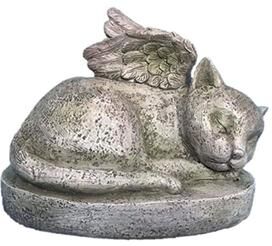
Santas Workshop Inc "7.5"" Remembrance Kitty"Pay tribute to the special bond shared between you and your favorite feline with this wonderful kitty angel statue. Built to last from weather resistant resin, this beautiful remembrance kitty will provide many seasons of enjoyment.35,49 $*Shipping: 0,00 $Secure redirect to the provider
-
Bronzhaus Signed Carrier Honoring Frederic Chopin Bronze Sculpture Statue Figure FigurineCondition: This sculpture is in perfect condition Bronze Dimensions with Marble Base: Height 27 inches X Width 8 1/2 inches Marble Dimensions:8 1/2 inches X 8 inches Height without base:26 inches Weight:42 LBS Inventory:27Y26316572 Original or…651,99 $*Shipping: 0,00 $Secure redirect to the provider
-
Touch of Class Loving Tribute Table Sculpture Antique Silver , Antique SilverThe Loving Tribute Table Sculpture depicts a bold, abstract design of tangled curves that swirl to a single point. This contemporary, resin sculpture has an antique silver finish and a black mounting base. Measures 6 Wx5.5 Dx18.5 H. This item is our...85,00 $*Shipping: 15,95 $Secure redirect to the provider
-
Uplift Treasures Personalized Memorial Flameless LED Candle With Photo Personalized Memorial Flameless LED Candle With PhotoProduct Description: Honor the memory of a loved one with this personalized flameless LED memorial candle. Customize it with a cherished photo and meaningful text to create a beautiful keepsake that offers a warm, comforting glow for memorials,...103,97 $*Shipping: 0,00 $Secure redirect to the provider



-
How many types of Orthodoxy are there?
There are three main types of Orthodoxy: Eastern Orthodoxy, Oriental Orthodoxy, and the Church of the East. Each type has its own distinct traditions, theology, and historical development. Eastern Orthodoxy is the largest and most well-known, while Oriental Orthodoxy and the Church of the East have their own unique characteristics and geographical distribution. Despite their differences, all three types of Orthodoxy share a common commitment to the teachings and traditions of early Christianity. **
-
What is orthodoxy in terms of religion?
Orthodoxy in terms of religion refers to the adherence to traditional or established beliefs and practices within a particular religious tradition. It often involves a strict adherence to the teachings and doctrines of the faith, as well as a resistance to change or reinterpretation of those beliefs. Orthodox believers typically view their faith as the one true and correct interpretation of their religious tradition, and may be wary of alternative or modern interpretations. In some cases, orthodoxy is also associated with a specific branch or denomination within a religion, such as Eastern Orthodoxy within Christianity. **
-
How does a conversion to Orthodoxy take place?
A conversion to Orthodoxy typically involves a period of study and preparation, followed by a formal ceremony. The individual seeking to convert will usually meet with a priest or spiritual advisor to learn about the beliefs and practices of the Orthodox faith. They may also participate in classes or discussions to deepen their understanding. Once the individual is ready, they will be received into the Orthodox Church through the sacrament of chrismation, which involves anointing with holy oil and a declaration of faith. This marks their full initiation into the Orthodox community. **
-
What is the difference between Orthodoxy and Chassidism?
Orthodoxy and Chassidism are both branches of Judaism, but they have some key differences. Orthodoxy generally emphasizes strict adherence to traditional Jewish law and customs, and places a strong emphasis on Torah study and scholarship. Chassidism, on the other hand, places a greater emphasis on spirituality, joy, and the personal relationship with God. Chassidism also introduced new customs and practices, such as the emphasis on the role of the Rebbe (spiritual leader) and the use of music and dance in religious worship. Overall, while both Orthodoxy and Chassidism share a commitment to Jewish tradition, they differ in their approach to religious practice and spirituality. **


What is the relationship between Luther and Orthodoxy?
Martin Luther, a key figure in the Protestant Reformation, did not have a direct relationship with Orthodoxy, which refers to the Eastern Orthodox Church. Luther's theological teachings and reforms were primarily focused on the Roman Catholic Church in the 16th century. However, some similarities can be found between Luther's emphasis on faith and scripture and certain aspects of Orthodox theology, such as the importance of tradition and the sacraments. Despite these similarities, Luther's movement led to the formation of a separate branch of Christianity distinct from Orthodoxy. **
What is the difference between Eastern and Oriental Orthodoxy?
The main difference between Eastern and Oriental Orthodoxy lies in their theological and doctrinal differences. Eastern Orthodoxy is made up of the churches that follow the Byzantine tradition and are in communion with the Ecumenical Patriarch of Constantinople, while Oriental Orthodoxy consists of churches that broke away from the rest of the Christian world in the 5th century over a theological dispute. The main theological difference between the two lies in their understanding of the nature of Christ, with Eastern Orthodoxy following the Chalcedonian definition of Christ having two natures (divine and human), while Oriental Orthodoxy believes in the miaphysite understanding of Christ having one united nature. **
Top-Angebote
Products related to Orthodoxy:
-
Inspire Curations Angel Cat Memorial Statue Resin Pet Remembrance Home Decor Angel Cat Memorial Statue Resin Pet Remembrance Home DecorHonor a love that never fades. This beautifully crafted angel cat memorial statue captures the quiet grace and unconditional bond shared with a beloved pet. Designed with delicate wings and a serene expression, this resin cat angel figurine offers...58,95 $*Shipping: 0,00 $Secure redirect to the provider
-
Santas Workshop Inc "7.5"" Remembrance Kitty"Pay tribute to the special bond shared between you and your favorite feline with this wonderful kitty angel statue. Built to last from weather resistant resin, this beautiful remembrance kitty will provide many seasons of enjoyment.35,49 $*Shipping: 0,00 $Secure redirect to the provider
-
Bronzhaus Signed Carrier Honoring Frederic Chopin Bronze Sculpture Statue Figure FigurineCondition: This sculpture is in perfect condition Bronze Dimensions with Marble Base: Height 27 inches X Width 8 1/2 inches Marble Dimensions:8 1/2 inches X 8 inches Height without base:26 inches Weight:42 LBS Inventory:27Y26316572 Original or…651,99 $*Shipping: 0,00 $Secure redirect to the provider
-
What is orthodoxy?
Orthodoxy refers to the adherence to traditional or established beliefs, doctrines, or practices, especially in the context of religion. It often involves a strict adherence to the teachings and traditions of a particular faith, and is characterized by a resistance to change or deviation from those teachings. In Christianity, for example, orthodoxy refers to the adherence to the core beliefs and doctrines as defined by the early church councils and the Nicene Creed. Overall, orthodoxy represents a commitment to preserving the fundamental principles and traditions of a particular belief system. **
-
What is the symbol for Orthodoxy?
The symbol for Orthodoxy is the double-headed eagle. This symbol has been used in Orthodox Christianity for centuries and is often associated with the Byzantine Empire. The two heads of the eagle represent the dual authority of the church and the state, and it is a powerful symbol of the unity of faith and power in Orthodox Christianity. The double-headed eagle is often depicted with a cross in its talons, further emphasizing its connection to the Christian faith. **
-
How many types of Orthodoxy are there?
There are three main types of Orthodoxy: Eastern Orthodoxy, Oriental Orthodoxy, and the Church of the East. Each type has its own distinct traditions, theology, and historical development. Eastern Orthodoxy is the largest and most well-known, while Oriental Orthodoxy and the Church of the East have their own unique characteristics and geographical distribution. Despite their differences, all three types of Orthodoxy share a common commitment to the teachings and traditions of early Christianity. **
-
What is orthodoxy in terms of religion?
Orthodoxy in terms of religion refers to the adherence to traditional or established beliefs and practices within a particular religious tradition. It often involves a strict adherence to the teachings and doctrines of the faith, as well as a resistance to change or reinterpretation of those beliefs. Orthodox believers typically view their faith as the one true and correct interpretation of their religious tradition, and may be wary of alternative or modern interpretations. In some cases, orthodoxy is also associated with a specific branch or denomination within a religion, such as Eastern Orthodoxy within Christianity. **
Similar search terms for Orthodoxy
-
Touch of Class Loving Tribute Table Sculpture Antique Silver , Antique SilverThe Loving Tribute Table Sculpture depicts a bold, abstract design of tangled curves that swirl to a single point. This contemporary, resin sculpture has an antique silver finish and a black mounting base. Measures 6 Wx5.5 Dx18.5 H. This item is our...85,00 $*Shipping: 15,95 $Secure redirect to the provider
-
Uplift Treasures Personalized Memorial Flameless LED Candle With Photo Personalized Memorial Flameless LED Candle With PhotoProduct Description: Honor the memory of a loved one with this personalized flameless LED memorial candle. Customize it with a cherished photo and meaningful text to create a beautiful keepsake that offers a warm, comforting glow for memorials,...103,97 $*Shipping: 0,00 $Secure redirect to the provider
-
Evergreen Memorial Forever Dog Garden Stone"This Memorial Forever Dog Garden Stone offers a heartfelt way to honor a beloved companion, combining a sculpted angel wings motif with the tender sentiment ""Dogs leave paw prints on our hearts"" for a meaningful memorial accent."33,49 $*Shipping: 0,00 $Secure redirect to the provider
-
How does a conversion to Orthodoxy take place?
A conversion to Orthodoxy typically involves a period of study and preparation, followed by a formal ceremony. The individual seeking to convert will usually meet with a priest or spiritual advisor to learn about the beliefs and practices of the Orthodox faith. They may also participate in classes or discussions to deepen their understanding. Once the individual is ready, they will be received into the Orthodox Church through the sacrament of chrismation, which involves anointing with holy oil and a declaration of faith. This marks their full initiation into the Orthodox community. **
-
What is the difference between Orthodoxy and Chassidism?
Orthodoxy and Chassidism are both branches of Judaism, but they have some key differences. Orthodoxy generally emphasizes strict adherence to traditional Jewish law and customs, and places a strong emphasis on Torah study and scholarship. Chassidism, on the other hand, places a greater emphasis on spirituality, joy, and the personal relationship with God. Chassidism also introduced new customs and practices, such as the emphasis on the role of the Rebbe (spiritual leader) and the use of music and dance in religious worship. Overall, while both Orthodoxy and Chassidism share a commitment to Jewish tradition, they differ in their approach to religious practice and spirituality. **
-
What is the relationship between Luther and Orthodoxy?
Martin Luther, a key figure in the Protestant Reformation, did not have a direct relationship with Orthodoxy, which refers to the Eastern Orthodox Church. Luther's theological teachings and reforms were primarily focused on the Roman Catholic Church in the 16th century. However, some similarities can be found between Luther's emphasis on faith and scripture and certain aspects of Orthodox theology, such as the importance of tradition and the sacraments. Despite these similarities, Luther's movement led to the formation of a separate branch of Christianity distinct from Orthodoxy. **
-
What is the difference between Eastern and Oriental Orthodoxy?
The main difference between Eastern and Oriental Orthodoxy lies in their theological and doctrinal differences. Eastern Orthodoxy is made up of the churches that follow the Byzantine tradition and are in communion with the Ecumenical Patriarch of Constantinople, while Oriental Orthodoxy consists of churches that broke away from the rest of the Christian world in the 5th century over a theological dispute. The main theological difference between the two lies in their understanding of the nature of Christ, with Eastern Orthodoxy following the Chalcedonian definition of Christ having two natures (divine and human), while Oriental Orthodoxy believes in the miaphysite understanding of Christ having one united nature. **
* All prices are inclusive of VAT and, if applicable, plus shipping costs. The offer information is based on the details provided by the respective shop and is updated through automated processes. Real-time updates do not occur, so deviations can occur in individual cases. ** Note: Parts of this content were created by AI.