Buy funeralawards.eu ?
We are moving the project
funeralawards.eu .
Are you interested in purchasing the domain
funeralawards.eu ?
domain@kv-gmbh.de · 0541-91531010
Buy funeralawards.eu ?
Can you explain the romanization?
Romanization is the process of representing a language's script with the Latin alphabet. It is commonly used to transcribe languages that do not use the Latin script, such as Chinese, Japanese, or Arabic, into a form that can be easily read and understood by speakers of languages that use the Latin alphabet. Romanization systems vary depending on the language being transcribed, and they often include diacritics or special characters to represent sounds that do not exist in the Latin alphabet. Overall, romanization allows for the easier communication and understanding of languages across different writing systems. **
What were the disadvantages of Romanization?
One of the main disadvantages of Romanization was the loss of cultural identity and traditions of the conquered peoples. The imposition of Roman language, customs, and laws often led to the erosion of local languages and traditions. Additionally, Romanization also resulted in social and economic inequalities, as the Roman elite often held more power and privilege than the local population. Finally, the process of Romanization also led to resistance and conflict from the conquered peoples, which sometimes resulted in rebellions and uprisings. **


Similar search terms for Romanization
Top-Angebote
Products related to Romanization:
-
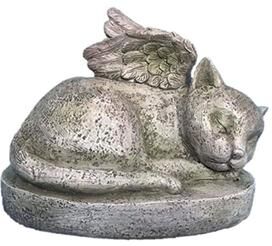
Santas Workshop Inc "7.5"" Remembrance Kitty"Pay tribute to the special bond shared between you and your favorite feline with this wonderful kitty angel statue. Built to last from weather resistant resin, this beautiful remembrance kitty will provide many seasons of enjoyment.35,49 $*Shipping: 0,00 $Secure redirect to the provider
-
Bronzhaus Signed Carrier Honoring Frederic Chopin Bronze Sculpture Statue Figure FigurineCondition: This sculpture is in perfect condition Bronze Dimensions with Marble Base: Height 27 inches X Width 8 1/2 inches Marble Dimensions:8 1/2 inches X 8 inches Height without base:26 inches Weight:42 LBS Inventory:27Y26316572 Original or…651,99 $*Shipping: 0,00 $Secure redirect to the provider
-
Touch of Class Loving Tribute Table Sculpture Antique Silver , Antique SilverThe Loving Tribute Table Sculpture depicts a bold, abstract design of tangled curves that swirl to a single point. This contemporary, resin sculpture has an antique silver finish and a black mounting base. Measures 6 Wx5.5 Dx18.5 H. This item is our...85,00 $*Shipping: 15,95 $Secure redirect to the provider


-
What are the advantages and disadvantages of Romanization?
The advantages of Romanization include making it easier for non-native speakers to learn and pronounce words in a different language, facilitating communication and trade between different cultures, and standardizing the spelling and pronunciation of words. However, the disadvantages of Romanization include the potential loss of cultural and linguistic diversity, the distortion of original pronunciation and spelling, and the potential for the dominance of one language and culture over others. Additionally, Romanization may not accurately represent the sounds and phonetics of the original language, leading to misunderstandings and misinterpretations. **
-
Can someone explain the term Romanization to me?
Romanization is the process of converting a writing system that uses a different script into the Latin alphabet. This is often done to make the text more accessible to those who are not familiar with the original script. Romanization can help with pronunciation and understanding of words in different languages. It is commonly used for languages such as Chinese, Japanese, Korean, and Russian. **
-
Was Romanization more advantageous or more unfavorable for the Germanic people?
Romanization had both advantageous and unfavorable effects on the Germanic people. On one hand, it brought them into contact with advanced Roman technology, infrastructure, and culture, which helped to improve their own societies. However, Romanization also led to the loss of their traditional customs, languages, and autonomy, as they were assimilated into the Roman Empire. Ultimately, the impact of Romanization on the Germanic people was a complex mix of benefits and drawbacks. **
-
What was the Romanization of the provinces? What was culture and agriculture?
The Romanization of the provinces refers to the process by which the Roman Empire spread its culture, language, and customs to the territories it conquered. This often involved the construction of infrastructure such as roads, aqueducts, and buildings, as well as the establishment of Roman law and administration. Culture in the Roman provinces was heavily influenced by Roman traditions, including language, religion, and architecture. The spread of Roman culture also led to the adoption of Roman customs and practices by the local populations. Agriculture was a crucial aspect of the Roman economy, and the provinces played a significant role in supplying food and resources to the empire. Roman agricultural techniques and practices were introduced to the provinces, leading to increased productivity and the development of large-scale farming. The Roman Empire also encouraged the cultivation of new crops and the introduction of new agricultural technologies in the provinces. **


To what extent have Romanization and Christianization influenced our present-day life in Europe?
Romanization and Christianization have had a significant impact on our present-day life in Europe. Romanization introduced Latin as the basis for many European languages, as well as Roman law and architecture, which continue to influence European culture. Christianization spread throughout Europe, shaping moral values, social structures, and even political systems. Many European countries still have Christian traditions and holidays that are deeply ingrained in their culture. Overall, both Romanization and Christianization have played a crucial role in shaping the identity and values of modern Europe. **
What questions are there about commemoration and remembrance on Holocaust Remembrance Day?
On Holocaust Remembrance Day, there are questions about how to best commemorate and remember the victims of the Holocaust. Some of these questions may include how to ensure that the memory of the Holocaust is preserved for future generations, how to honor the survivors and their experiences, and how to educate people about the atrocities that occurred during the Holocaust. Additionally, there may be questions about how to prevent such a tragedy from happening again and how to promote tolerance and understanding in the face of discrimination and hatred. **
Top-Angebote
Products related to Romanization:
-
Inspire Curations Angel Cat Memorial Statue Resin Pet Remembrance Home Decor Angel Cat Memorial Statue Resin Pet Remembrance Home DecorHonor a love that never fades. This beautifully crafted angel cat memorial statue captures the quiet grace and unconditional bond shared with a beloved pet. Designed with delicate wings and a serene expression, this resin cat angel figurine offers...58,95 $*Shipping: 0,00 $Secure redirect to the provider
-
Santas Workshop Inc "7.5"" Remembrance Kitty"Pay tribute to the special bond shared between you and your favorite feline with this wonderful kitty angel statue. Built to last from weather resistant resin, this beautiful remembrance kitty will provide many seasons of enjoyment.35,49 $*Shipping: 0,00 $Secure redirect to the provider
-
Bronzhaus Signed Carrier Honoring Frederic Chopin Bronze Sculpture Statue Figure FigurineCondition: This sculpture is in perfect condition Bronze Dimensions with Marble Base: Height 27 inches X Width 8 1/2 inches Marble Dimensions:8 1/2 inches X 8 inches Height without base:26 inches Weight:42 LBS Inventory:27Y26316572 Original or…651,99 $*Shipping: 0,00 $Secure redirect to the provider
-
Can you explain the romanization?
Romanization is the process of representing a language's script with the Latin alphabet. It is commonly used to transcribe languages that do not use the Latin script, such as Chinese, Japanese, or Arabic, into a form that can be easily read and understood by speakers of languages that use the Latin alphabet. Romanization systems vary depending on the language being transcribed, and they often include diacritics or special characters to represent sounds that do not exist in the Latin alphabet. Overall, romanization allows for the easier communication and understanding of languages across different writing systems. **
-
What were the disadvantages of Romanization?
One of the main disadvantages of Romanization was the loss of cultural identity and traditions of the conquered peoples. The imposition of Roman language, customs, and laws often led to the erosion of local languages and traditions. Additionally, Romanization also resulted in social and economic inequalities, as the Roman elite often held more power and privilege than the local population. Finally, the process of Romanization also led to resistance and conflict from the conquered peoples, which sometimes resulted in rebellions and uprisings. **
-
What are the advantages and disadvantages of Romanization?
The advantages of Romanization include making it easier for non-native speakers to learn and pronounce words in a different language, facilitating communication and trade between different cultures, and standardizing the spelling and pronunciation of words. However, the disadvantages of Romanization include the potential loss of cultural and linguistic diversity, the distortion of original pronunciation and spelling, and the potential for the dominance of one language and culture over others. Additionally, Romanization may not accurately represent the sounds and phonetics of the original language, leading to misunderstandings and misinterpretations. **
-
Can someone explain the term Romanization to me?
Romanization is the process of converting a writing system that uses a different script into the Latin alphabet. This is often done to make the text more accessible to those who are not familiar with the original script. Romanization can help with pronunciation and understanding of words in different languages. It is commonly used for languages such as Chinese, Japanese, Korean, and Russian. **
Similar search terms for Romanization
-
Touch of Class Loving Tribute Table Sculpture Antique Silver , Antique SilverThe Loving Tribute Table Sculpture depicts a bold, abstract design of tangled curves that swirl to a single point. This contemporary, resin sculpture has an antique silver finish and a black mounting base. Measures 6 Wx5.5 Dx18.5 H. This item is our...85,00 $*Shipping: 15,95 $Secure redirect to the provider
-
Uplift Treasures Personalized Memorial Flameless LED Candle With Photo Personalized Memorial Flameless LED Candle With PhotoProduct Description: Honor the memory of a loved one with this personalized flameless LED memorial candle. Customize it with a cherished photo and meaningful text to create a beautiful keepsake that offers a warm, comforting glow for memorials,...103,97 $*Shipping: 0,00 $Secure redirect to the provider
-
Evergreen Memorial Forever Dog Garden Stone"This Memorial Forever Dog Garden Stone offers a heartfelt way to honor a beloved companion, combining a sculpted angel wings motif with the tender sentiment ""Dogs leave paw prints on our hearts"" for a meaningful memorial accent."33,49 $*Shipping: 0,00 $Secure redirect to the provider
-
Was Romanization more advantageous or more unfavorable for the Germanic people?
Romanization had both advantageous and unfavorable effects on the Germanic people. On one hand, it brought them into contact with advanced Roman technology, infrastructure, and culture, which helped to improve their own societies. However, Romanization also led to the loss of their traditional customs, languages, and autonomy, as they were assimilated into the Roman Empire. Ultimately, the impact of Romanization on the Germanic people was a complex mix of benefits and drawbacks. **
-
What was the Romanization of the provinces? What was culture and agriculture?
The Romanization of the provinces refers to the process by which the Roman Empire spread its culture, language, and customs to the territories it conquered. This often involved the construction of infrastructure such as roads, aqueducts, and buildings, as well as the establishment of Roman law and administration. Culture in the Roman provinces was heavily influenced by Roman traditions, including language, religion, and architecture. The spread of Roman culture also led to the adoption of Roman customs and practices by the local populations. Agriculture was a crucial aspect of the Roman economy, and the provinces played a significant role in supplying food and resources to the empire. Roman agricultural techniques and practices were introduced to the provinces, leading to increased productivity and the development of large-scale farming. The Roman Empire also encouraged the cultivation of new crops and the introduction of new agricultural technologies in the provinces. **
-
To what extent have Romanization and Christianization influenced our present-day life in Europe?
Romanization and Christianization have had a significant impact on our present-day life in Europe. Romanization introduced Latin as the basis for many European languages, as well as Roman law and architecture, which continue to influence European culture. Christianization spread throughout Europe, shaping moral values, social structures, and even political systems. Many European countries still have Christian traditions and holidays that are deeply ingrained in their culture. Overall, both Romanization and Christianization have played a crucial role in shaping the identity and values of modern Europe. **
-
What questions are there about commemoration and remembrance on Holocaust Remembrance Day?
On Holocaust Remembrance Day, there are questions about how to best commemorate and remember the victims of the Holocaust. Some of these questions may include how to ensure that the memory of the Holocaust is preserved for future generations, how to honor the survivors and their experiences, and how to educate people about the atrocities that occurred during the Holocaust. Additionally, there may be questions about how to prevent such a tragedy from happening again and how to promote tolerance and understanding in the face of discrimination and hatred. **
* All prices are inclusive of VAT and, if applicable, plus shipping costs. The offer information is based on the details provided by the respective shop and is updated through automated processes. Real-time updates do not occur, so deviations can occur in individual cases. ** Note: Parts of this content were created by AI.