Buy funeralawards.eu ?
We are moving the project
funeralawards.eu .
Are you interested in purchasing the domain
funeralawards.eu ?
domain@kv-gmbh.de · 0541-91531010
Buy funeralawards.eu ?
What does "thou" actually mean?
"Thou" is an archaic English pronoun used to address someone in the second person singular. It is the equivalent of the modern "you" when speaking to one person. In older forms of English, "thou" was used to indicate familiarity or intimacy, while "you" was used to show respect or formality. Today, "thou" is rarely used in everyday speech and is mostly found in historical texts or religious literature. **
Does the commandment "Thou shalt not kill" only apply to humans?
The commandment "Thou shalt not kill" is generally understood to apply to all forms of life, not just humans. It is a moral principle that emphasizes the sanctity of life and the importance of respecting and preserving it. This commandment is often interpreted to mean that one should not unjustly take the life of any living being, whether it be a human, animal, or any other form of life. **


Similar search terms for Thou
Top-Angebote
Products related to Thou:
-
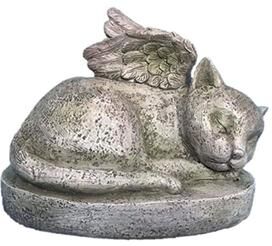
Santas Workshop Inc "7.5"" Remembrance Kitty"Pay tribute to the special bond shared between you and your favorite feline with this wonderful kitty angel statue. Built to last from weather resistant resin, this beautiful remembrance kitty will provide many seasons of enjoyment.35,49 $*Shipping: 0,00 $Secure redirect to the provider
-
Bronzhaus Signed Carrier Honoring Frederic Chopin Bronze Sculpture Statue Figure FigurineCondition: This sculpture is in perfect condition Bronze Dimensions with Marble Base: Height 27 inches X Width 8 1/2 inches Marble Dimensions:8 1/2 inches X 8 inches Height without base:26 inches Weight:42 LBS Inventory:27Y26316572 Original or…651,99 $*Shipping: 0,00 $Secure redirect to the provider
-
Touch of Class Loving Tribute Table Sculpture Antique Silver , Antique SilverThe Loving Tribute Table Sculpture depicts a bold, abstract design of tangled curves that swirl to a single point. This contemporary, resin sculpture has an antique silver finish and a black mounting base. Measures 6 Wx5.5 Dx18.5 H. This item is our...85,00 $*Shipping: 15,95 $Secure redirect to the provider
-
Uplift Treasures Personalized Memorial Flameless LED Candle With Photo Personalized Memorial Flameless LED Candle With PhotoProduct Description: Honor the memory of a loved one with this personalized flameless LED memorial candle. Customize it with a cherished photo and meaningful text to create a beautiful keepsake that offers a warm, comforting glow for memorials,...103,97 $*Shipping: 0,00 $Secure redirect to the provider



-
What is the simple past of "thou art" in Middle English?
The simple past of "thou art" in Middle English is "thou wert." In Middle English, "thou" was the singular informal form of "you," and "wert" was the past tense of the verb "to be." So, "thou wert" would be used to indicate that someone or something was in a certain state or condition in the past. **
-
What is the meaning of the commandment "Thou shalt not kill"?
The commandment "Thou shalt not kill" is a fundamental principle in many religious and ethical traditions, including Christianity and Judaism. It is a directive to respect and value human life, and to refrain from taking the life of another person unjustly. This commandment is often interpreted as prohibiting not only physical killing, but also actions that harm or diminish the dignity of others. It serves as a moral guideline for promoting peace, compassion, and the protection of human life. **
-
What do you think of the commandment "Thou shalt not commit adultery"?
As an AI language model, I don't have personal beliefs or opinions. However, the commandment "Thou shalt not commit adultery" is a moral and ethical guideline that is found in various religious and cultural traditions. It is meant to promote fidelity and respect within relationships and to protect the sanctity of marriage. Adhering to this commandment can help to maintain trust and stability within families and communities. However, interpretations and adherence to this commandment may vary depending on individual beliefs and cultural contexts. **
-
Is there a commandment in the Bible that says "Thou shalt not kill"?
Yes, the commandment "Thou shalt not kill" is found in the Bible in the book of Exodus, specifically in Exodus 20:13. This commandment is one of the Ten Commandments given to Moses by God on Mount Sinai. It is a fundamental moral principle that prohibits the unjust taking of human life. This commandment has been interpreted and followed by various religious traditions and has had a significant impact on ethical and legal systems around the world. **


Why do Christians eat meat even though it says "Thou shalt not kill"?
Many Christians interpret the commandment "Thou shalt not kill" as a prohibition against murder rather than against all forms of killing, including the killing of animals for food. They believe that God has given humans dominion over animals and that it is acceptable to use them for sustenance. Additionally, some Christians point to passages in the Bible that discuss the consumption of meat, such as the story of the prodigal son and the teachings of the apostle Paul, as evidence that eating meat is permissible. Ultimately, the decision to eat meat is a personal and theological one for Christians, and interpretations of the commandment may vary among different denominations and individuals. **
Is "Thou shalt not build me a house" really stated in the biblical scriptures?
The phrase "Thou shalt not build me a house" is not explicitly stated in the biblical scriptures. However, there are passages in the Bible where God tells certain individuals not to build a house for Him. For example, in 1 Chronicles 17:4-6, God tells King David through the prophet Nathan that he is not the one to build a house for God, but that his son Solomon will do so. This is where the idea of "Thou shalt not build me a house" may have originated from, but the exact phrase is not found in the scriptures. **
Top-Angebote
Products related to Thou:
-
Inspire Curations Angel Cat Memorial Statue Resin Pet Remembrance Home Decor Angel Cat Memorial Statue Resin Pet Remembrance Home DecorHonor a love that never fades. This beautifully crafted angel cat memorial statue captures the quiet grace and unconditional bond shared with a beloved pet. Designed with delicate wings and a serene expression, this resin cat angel figurine offers...58,95 $*Shipping: 0,00 $Secure redirect to the provider
-
Santas Workshop Inc "7.5"" Remembrance Kitty"Pay tribute to the special bond shared between you and your favorite feline with this wonderful kitty angel statue. Built to last from weather resistant resin, this beautiful remembrance kitty will provide many seasons of enjoyment.35,49 $*Shipping: 0,00 $Secure redirect to the provider
-
Bronzhaus Signed Carrier Honoring Frederic Chopin Bronze Sculpture Statue Figure FigurineCondition: This sculpture is in perfect condition Bronze Dimensions with Marble Base: Height 27 inches X Width 8 1/2 inches Marble Dimensions:8 1/2 inches X 8 inches Height without base:26 inches Weight:42 LBS Inventory:27Y26316572 Original or…651,99 $*Shipping: 0,00 $Secure redirect to the provider
-
What does "thou" actually mean?
"Thou" is an archaic English pronoun used to address someone in the second person singular. It is the equivalent of the modern "you" when speaking to one person. In older forms of English, "thou" was used to indicate familiarity or intimacy, while "you" was used to show respect or formality. Today, "thou" is rarely used in everyday speech and is mostly found in historical texts or religious literature. **
-
Does the commandment "Thou shalt not kill" only apply to humans?
The commandment "Thou shalt not kill" is generally understood to apply to all forms of life, not just humans. It is a moral principle that emphasizes the sanctity of life and the importance of respecting and preserving it. This commandment is often interpreted to mean that one should not unjustly take the life of any living being, whether it be a human, animal, or any other form of life. **
-
What is the simple past of "thou art" in Middle English?
The simple past of "thou art" in Middle English is "thou wert." In Middle English, "thou" was the singular informal form of "you," and "wert" was the past tense of the verb "to be." So, "thou wert" would be used to indicate that someone or something was in a certain state or condition in the past. **
-
What is the meaning of the commandment "Thou shalt not kill"?
The commandment "Thou shalt not kill" is a fundamental principle in many religious and ethical traditions, including Christianity and Judaism. It is a directive to respect and value human life, and to refrain from taking the life of another person unjustly. This commandment is often interpreted as prohibiting not only physical killing, but also actions that harm or diminish the dignity of others. It serves as a moral guideline for promoting peace, compassion, and the protection of human life. **
Similar search terms for Thou
-
Touch of Class Loving Tribute Table Sculpture Antique Silver , Antique SilverThe Loving Tribute Table Sculpture depicts a bold, abstract design of tangled curves that swirl to a single point. This contemporary, resin sculpture has an antique silver finish and a black mounting base. Measures 6 Wx5.5 Dx18.5 H. This item is our...85,00 $*Shipping: 15,95 $Secure redirect to the provider
-
Uplift Treasures Personalized Memorial Flameless LED Candle With Photo Personalized Memorial Flameless LED Candle With PhotoProduct Description: Honor the memory of a loved one with this personalized flameless LED memorial candle. Customize it with a cherished photo and meaningful text to create a beautiful keepsake that offers a warm, comforting glow for memorials,...103,97 $*Shipping: 0,00 $Secure redirect to the provider
-
Evergreen Memorial Forever Dog Garden Stone"This Memorial Forever Dog Garden Stone offers a heartfelt way to honor a beloved companion, combining a sculpted angel wings motif with the tender sentiment ""Dogs leave paw prints on our hearts"" for a meaningful memorial accent."33,49 $*Shipping: 0,00 $Secure redirect to the provider
-
What do you think of the commandment "Thou shalt not commit adultery"?
As an AI language model, I don't have personal beliefs or opinions. However, the commandment "Thou shalt not commit adultery" is a moral and ethical guideline that is found in various religious and cultural traditions. It is meant to promote fidelity and respect within relationships and to protect the sanctity of marriage. Adhering to this commandment can help to maintain trust and stability within families and communities. However, interpretations and adherence to this commandment may vary depending on individual beliefs and cultural contexts. **
-
Is there a commandment in the Bible that says "Thou shalt not kill"?
Yes, the commandment "Thou shalt not kill" is found in the Bible in the book of Exodus, specifically in Exodus 20:13. This commandment is one of the Ten Commandments given to Moses by God on Mount Sinai. It is a fundamental moral principle that prohibits the unjust taking of human life. This commandment has been interpreted and followed by various religious traditions and has had a significant impact on ethical and legal systems around the world. **
-
Why do Christians eat meat even though it says "Thou shalt not kill"?
Many Christians interpret the commandment "Thou shalt not kill" as a prohibition against murder rather than against all forms of killing, including the killing of animals for food. They believe that God has given humans dominion over animals and that it is acceptable to use them for sustenance. Additionally, some Christians point to passages in the Bible that discuss the consumption of meat, such as the story of the prodigal son and the teachings of the apostle Paul, as evidence that eating meat is permissible. Ultimately, the decision to eat meat is a personal and theological one for Christians, and interpretations of the commandment may vary among different denominations and individuals. **
-
Is "Thou shalt not build me a house" really stated in the biblical scriptures?
The phrase "Thou shalt not build me a house" is not explicitly stated in the biblical scriptures. However, there are passages in the Bible where God tells certain individuals not to build a house for Him. For example, in 1 Chronicles 17:4-6, God tells King David through the prophet Nathan that he is not the one to build a house for God, but that his son Solomon will do so. This is where the idea of "Thou shalt not build me a house" may have originated from, but the exact phrase is not found in the scriptures. **
* All prices are inclusive of VAT and, if applicable, plus shipping costs. The offer information is based on the details provided by the respective shop and is updated through automated processes. Real-time updates do not occur, so deviations can occur in individual cases. ** Note: Parts of this content were created by AI.