Buy funeralawards.eu ?
We are moving the project
funeralawards.eu .
Are you interested in purchasing the domain
funeralawards.eu ?
domain@kv-gmbh.de · 0541-91531010
Buy funeralawards.eu ?
How many chromosomes are in a zygote?
A zygote typically contains 46 chromosomes, which is the diploid number for humans. This is because a zygote is formed by the fusion of a sperm cell (containing 23 chromosomes) and an egg cell (also containing 23 chromosomes). The combination of these two haploid cells results in a diploid zygote with a total of 46 chromosomes. **
How many chromosomes does a zygote have?
A zygote typically has 46 chromosomes. This is because a zygote is formed when a sperm cell (which has 23 chromosomes) fertilizes an egg cell (which also has 23 chromosomes), resulting in a total of 46 chromosomes in the zygote. These chromosomes contain the genetic information that will determine the characteristics of the developing organism. **


Similar search terms for Zygote
Top-Angebote
Products related to Zygote:
-
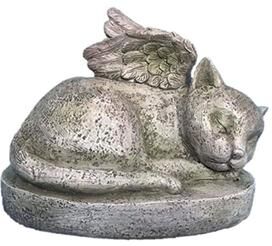
Santas Workshop Inc "7.5"" Remembrance Kitty"Pay tribute to the special bond shared between you and your favorite feline with this wonderful kitty angel statue. Built to last from weather resistant resin, this beautiful remembrance kitty will provide many seasons of enjoyment.35,49 $*Shipping: 0,00 $Secure redirect to the provider
-
Bronzhaus Signed Carrier Honoring Frederic Chopin Bronze Sculpture Statue Figure FigurineCondition: This sculpture is in perfect condition Bronze Dimensions with Marble Base: Height 27 inches X Width 8 1/2 inches Marble Dimensions:8 1/2 inches X 8 inches Height without base:26 inches Weight:42 LBS Inventory:27Y26316572 Original or…651,99 $*Shipping: 0,00 $Secure redirect to the provider
-
Touch of Class Loving Tribute Table Sculpture Antique Silver , Antique SilverThe Loving Tribute Table Sculpture depicts a bold, abstract design of tangled curves that swirl to a single point. This contemporary, resin sculpture has an antique silver finish and a black mounting base. Measures 6 Wx5.5 Dx18.5 H. This item is our...85,00 $*Shipping: 15,95 $Secure redirect to the provider
-
Uplift Treasures Personalized Memorial Flameless LED Candle With Photo Personalized Memorial Flameless LED Candle With PhotoProduct Description: Honor the memory of a loved one with this personalized flameless LED memorial candle. Customize it with a cherished photo and meaningful text to create a beautiful keepsake that offers a warm, comforting glow for memorials,...103,97 $*Shipping: 0,00 $Secure redirect to the provider



-
What is the chromosome set of a zygote?
The chromosome set of a zygote is typically a diploid set, meaning it contains two sets of chromosomes. One set is contributed by the egg (ovum) and the other set is contributed by the sperm. This results in a total of 46 chromosomes in humans, with 23 chromosomes from each parent. The zygote's diploid chromosome set provides the genetic information necessary for the development of a new individual. **
-
What is a genome mutation in a zygote?
A genome mutation in a zygote is a change in the DNA sequence that occurs at the moment of fertilization when the sperm and egg combine to form a single cell. This mutation can be a result of errors in DNA replication, exposure to mutagens, or other environmental factors. These mutations can lead to genetic disorders or variations in the offspring's traits. **
-
Why does a zygote have a double set of chromosomes?
A zygote has a double set of chromosomes because it is formed by the fusion of two haploid gametes - one from the egg and one from the sperm. Each gamete contributes a single set of chromosomes, resulting in the zygote having a complete set of chromosomes necessary for the development of a new individual. This double set of chromosomes ensures genetic diversity and stability in the offspring. **
-
How much can the genetic material of a zygote be altered?
The genetic material of a zygote can be altered through mutations, which can occur spontaneously or be induced by external factors such as radiation or chemicals. However, the extent of alteration is limited as the zygote contains the combined genetic material of the two parents. While some alterations can have significant effects on the development and health of the individual, major changes to the genetic material of a zygote are rare and typically result in non-viable embryos. **


Does gene recombination occur during crossing over or during zygote formation?
Gene recombination occurs during crossing over, which is a process that happens during meiosis when homologous chromosomes exchange genetic material. This results in new combinations of genes being passed on to the offspring. Zygote formation, on the other hand, involves the fusion of gametes to form a zygote, where the genetic material from the parents combines but does not undergo recombination. **
Why do monosomies of the body chromosomes almost always lead to the death of the zygote?
Monosomies of the body chromosomes almost always lead to the death of the zygote because they result in a significant imbalance of genetic material. With only one copy of a particular chromosome instead of the normal two, essential genes may be missing, leading to developmental abnormalities and ultimately, the inability of the zygote to survive. Additionally, monosomies can disrupt the balance of gene expression and cellular function, leading to severe developmental defects that are incompatible with life. As a result, monosomies of the body chromosomes are typically not compatible with life and result in early miscarriage or stillbirth. **
Top-Angebote
Products related to Zygote:
-
Inspire Curations Angel Cat Memorial Statue Resin Pet Remembrance Home Decor Angel Cat Memorial Statue Resin Pet Remembrance Home DecorHonor a love that never fades. This beautifully crafted angel cat memorial statue captures the quiet grace and unconditional bond shared with a beloved pet. Designed with delicate wings and a serene expression, this resin cat angel figurine offers...58,95 $*Shipping: 0,00 $Secure redirect to the provider
-
Santas Workshop Inc "7.5"" Remembrance Kitty"Pay tribute to the special bond shared between you and your favorite feline with this wonderful kitty angel statue. Built to last from weather resistant resin, this beautiful remembrance kitty will provide many seasons of enjoyment.35,49 $*Shipping: 0,00 $Secure redirect to the provider
-
Bronzhaus Signed Carrier Honoring Frederic Chopin Bronze Sculpture Statue Figure FigurineCondition: This sculpture is in perfect condition Bronze Dimensions with Marble Base: Height 27 inches X Width 8 1/2 inches Marble Dimensions:8 1/2 inches X 8 inches Height without base:26 inches Weight:42 LBS Inventory:27Y26316572 Original or…651,99 $*Shipping: 0,00 $Secure redirect to the provider
-
How many chromosomes are in a zygote?
A zygote typically contains 46 chromosomes, which is the diploid number for humans. This is because a zygote is formed by the fusion of a sperm cell (containing 23 chromosomes) and an egg cell (also containing 23 chromosomes). The combination of these two haploid cells results in a diploid zygote with a total of 46 chromosomes. **
-
How many chromosomes does a zygote have?
A zygote typically has 46 chromosomes. This is because a zygote is formed when a sperm cell (which has 23 chromosomes) fertilizes an egg cell (which also has 23 chromosomes), resulting in a total of 46 chromosomes in the zygote. These chromosomes contain the genetic information that will determine the characteristics of the developing organism. **
-
What is the chromosome set of a zygote?
The chromosome set of a zygote is typically a diploid set, meaning it contains two sets of chromosomes. One set is contributed by the egg (ovum) and the other set is contributed by the sperm. This results in a total of 46 chromosomes in humans, with 23 chromosomes from each parent. The zygote's diploid chromosome set provides the genetic information necessary for the development of a new individual. **
-
What is a genome mutation in a zygote?
A genome mutation in a zygote is a change in the DNA sequence that occurs at the moment of fertilization when the sperm and egg combine to form a single cell. This mutation can be a result of errors in DNA replication, exposure to mutagens, or other environmental factors. These mutations can lead to genetic disorders or variations in the offspring's traits. **
Similar search terms for Zygote
-
Touch of Class Loving Tribute Table Sculpture Antique Silver , Antique SilverThe Loving Tribute Table Sculpture depicts a bold, abstract design of tangled curves that swirl to a single point. This contemporary, resin sculpture has an antique silver finish and a black mounting base. Measures 6 Wx5.5 Dx18.5 H. This item is our...85,00 $*Shipping: 15,95 $Secure redirect to the provider
-
Uplift Treasures Personalized Memorial Flameless LED Candle With Photo Personalized Memorial Flameless LED Candle With PhotoProduct Description: Honor the memory of a loved one with this personalized flameless LED memorial candle. Customize it with a cherished photo and meaningful text to create a beautiful keepsake that offers a warm, comforting glow for memorials,...103,97 $*Shipping: 0,00 $Secure redirect to the provider
-
Evergreen Memorial Forever Dog Garden Stone"This Memorial Forever Dog Garden Stone offers a heartfelt way to honor a beloved companion, combining a sculpted angel wings motif with the tender sentiment ""Dogs leave paw prints on our hearts"" for a meaningful memorial accent."33,49 $*Shipping: 0,00 $Secure redirect to the provider
-
Why does a zygote have a double set of chromosomes?
A zygote has a double set of chromosomes because it is formed by the fusion of two haploid gametes - one from the egg and one from the sperm. Each gamete contributes a single set of chromosomes, resulting in the zygote having a complete set of chromosomes necessary for the development of a new individual. This double set of chromosomes ensures genetic diversity and stability in the offspring. **
-
How much can the genetic material of a zygote be altered?
The genetic material of a zygote can be altered through mutations, which can occur spontaneously or be induced by external factors such as radiation or chemicals. However, the extent of alteration is limited as the zygote contains the combined genetic material of the two parents. While some alterations can have significant effects on the development and health of the individual, major changes to the genetic material of a zygote are rare and typically result in non-viable embryos. **
-
Does gene recombination occur during crossing over or during zygote formation?
Gene recombination occurs during crossing over, which is a process that happens during meiosis when homologous chromosomes exchange genetic material. This results in new combinations of genes being passed on to the offspring. Zygote formation, on the other hand, involves the fusion of gametes to form a zygote, where the genetic material from the parents combines but does not undergo recombination. **
-
Why do monosomies of the body chromosomes almost always lead to the death of the zygote?
Monosomies of the body chromosomes almost always lead to the death of the zygote because they result in a significant imbalance of genetic material. With only one copy of a particular chromosome instead of the normal two, essential genes may be missing, leading to developmental abnormalities and ultimately, the inability of the zygote to survive. Additionally, monosomies can disrupt the balance of gene expression and cellular function, leading to severe developmental defects that are incompatible with life. As a result, monosomies of the body chromosomes are typically not compatible with life and result in early miscarriage or stillbirth. **
* All prices are inclusive of VAT and, if applicable, plus shipping costs. The offer information is based on the details provided by the respective shop and is updated through automated processes. Real-time updates do not occur, so deviations can occur in individual cases. ** Note: Parts of this content were created by AI.